Judge Mathew Caps Meta's New Mexico Data Penalty at $25 Billion
The verdict is the largest fine in the company's history, though it represents just 1.5% of Meta's current market value.
By Rafael Esposito ·
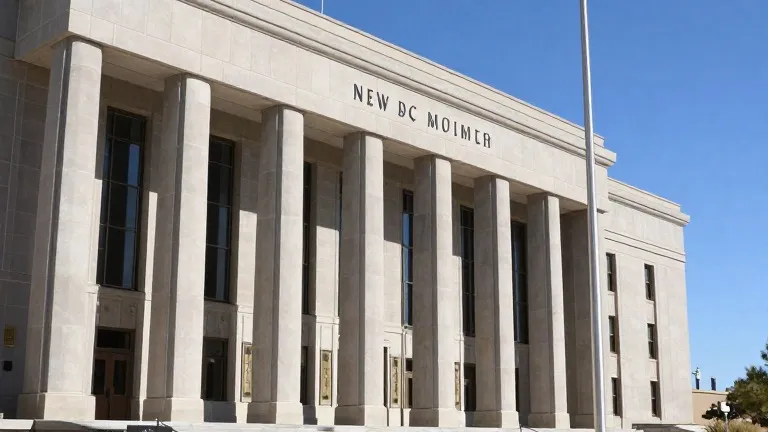
Judge Francis Mathew ordered Meta to pay $25 billion on Thursday. The ruling concludes a dispute over the company's data practices that began in 2021. This is the largest financial penalty the social media giant has ever faced.
New Mexico authorities accused Meta of violating the state's Unfair Practices Act. The lawsuit alleged that the company misled users about how their data was handled. These claims trace back to the Cambridge Analytica scandal. The attorney general later added claims regarding Meta's content moderation policies. A jury sided with the state in September, leading to the final monetary order.
Meta intends to challenge the outcome. C.J. Mahoney, the company's chief legal officer, called the ruling "all but impossible to do business in the state of New Mexico." He characterized the lawsuit as an attempt to "impose a tax on speech." Mahoney stated the company is "confident we will prevail on appeal."
The $25 billion figure is a reduction from the state's initial request. New Mexico attorneys originally sought between $35 billion and $45 billion. The maximum possible penalty was $219 billion, based on 43 million violations at $5,000 each. Judge Mathew lowered that ceiling to the final amount. Meta is currently valued at approximately $1.7 trillion.
This verdict adds to a series of legal setbacks for Meta this year. A New Mexico jury previously ordered the company to pay $375 million and $567 million in separate phases of a child safety trial. In a Los Angeles County case, a court awarded a plaintiff $6 million for mental health harms. Meta also agreed to a federal settlement ranging from $17 billion to $18 billion over ten years.
Legal experts suggest that financial penalties alone may not force structural changes. Corban Rhodes, a partner at the firm representing New Mexico, noted that each trial exposes internal documents. The New Mexico case placed more than 100 exhibits on the public record. One such exhibit is a 2018 email from Sheryl Sandberg warning of "many, many, many more moments like this in the next month and year."
Pressure may also come from shareholders and insurers. A Delaware judge ruled in March that insurers have no duty to defend Meta in thousands of lawsuits. Brian Quinn, a Boston College law professor, said shareholders might demand that the company stop indemnifying specific executives if they repeatedly appear in litigation. That would leave Meta's executives less protected.
Source: Wired
More Business · Tech news · Rip-Off Report · Report a business · Got a Story?