Amazon to Convert Loudoun County Data Center Site Into Housing and Green Space
Following local opposition, Amazon will build mixed-use housing and donate land for community facilities instead of constructing four data centers in Virginia.
By Jisoo Serrano ·
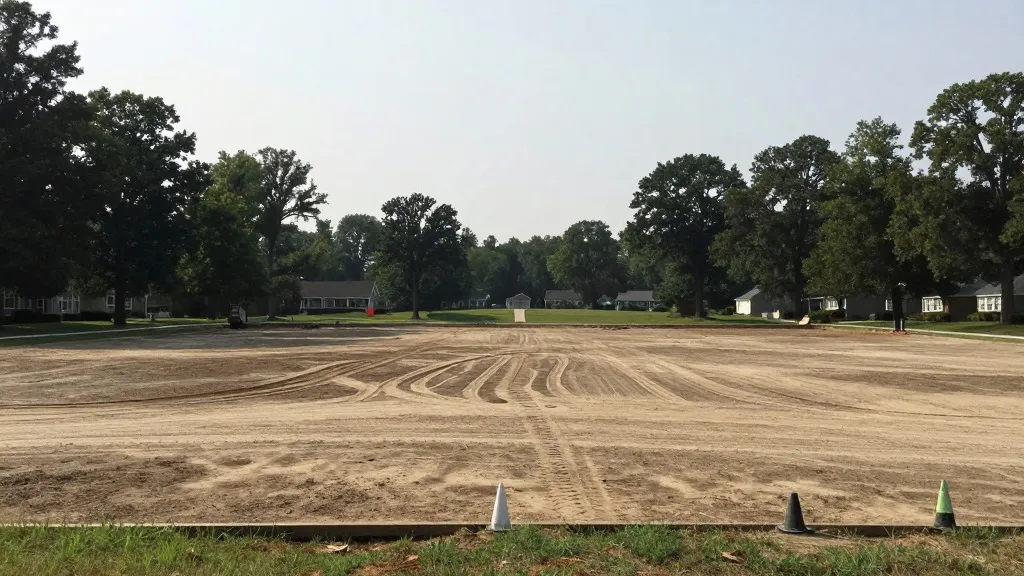
Residents in Loudoun County, Virginia, will see a shift in the skyline of the former George Washington University campus, as Amazon has scrapped its plans to construct four new data centers on the property. Instead of the industrial facilities originally proposed, the technology giant intends to develop most of the 122-acre site for mixed-use and residential purposes. This decision, reported by The Washington Post, marks a significant change for the community, which will gain new housing options and recreational spaces rather than additional server farms.
The agreement includes specific financial and land concessions to the county. Amazon will transfer 25 acres of the property to Loudoun County for the construction of a community arts center and a new recreational facility. Additionally, the company will contribute five million dollars to the local housing fund. These measures are designed to address local needs for public amenities and affordable living spaces, providing tangible benefits to residents beyond the immediate development of the land.
The reversal is particularly notable given Loudoun County’s reputation as a hub for technology infrastructure. The area is often referred to as Data Center Alley because it hosts the largest concentration of data centers in the world. Despite this status, local opposition has grown regarding the environmental and economic impacts of new facilities. Residents have voiced concerns about the noise generated by these operations and the substantial amounts of electricity they consume. The county’s posture toward new data center projects has become more cautious in recent months.
Amazon initially filed its proposal for the four facilities in July of this year. By September, the company engaged in direct discussions with Phyllis J. Randall, the chair of the Loudoun County Board of Supervisors. During these talks, Randall suggested that Amazon might consider a different use for the land, signaling a potential opening for negotiation. This dialogue set the stage for the current agreement, which prioritizes a mixed-use vision over the original industrial plan.
Josh Weissman, Amazon’s vice president for data center development, explained the company’s rationale for the change. He noted that Amazon acted quickly to purchase the former campus when the opportunity arose. However, the company weighed the county’s specific objections to data center development at this location. Weissman acknowledged that while Amazon viewed the legal development potential of the property differently than the county did, they decided to collaborate. He stated that reaching a shared vision was preferable to engaging in costly litigation, allowing both parties to avoid a prolonged legal battle.
The broader context for this decision involves the increasing demand for data infrastructure driven by artificial intelligence. While data centers have long been essential for cloud services and storage, the recent surge in AI applications has increased the need for larger facilities. This expansion has heightened community resistance, with locals worried about higher electricity prices, water shortages, and deforestation in areas where these centers are built. The Loudoun outcome reflects a growing trend of communities seeking to balance technological growth with local quality of life.
National political dynamics are also influencing the conversation around data centers. Shortly before the Loudoun announcement, President Donald Trump urged data center builders and AI hyperscalers to pay a dividend to local communities. This move comes amid rising energy costs. In a social media post, the president suggested that data centers should be required to generate their own electricity and sell or give surplus power back to the local grid. These proposals highlight a shifting political landscape that may affect future negotiations between tech companies and local governments.
County leaders have framed the final agreement as a successful example of cooperation. Randall emphasized that choosing dialogue over conflict allowed the county to secure valuable assets for its residents. She highlighted the new gathering places, creative spaces, and recreational areas that will be created. Furthermore, she noted that the agreement will help provide more attainable homes for working families, a key priority for the local government. The outcome demonstrates how negotiation can lead to a compromise that addresses both corporate development goals and community needs.
The shift in Amazon’s plans underscores the evolving relationship between major tech firms and the communities where they operate. As the demand for data center space continues to grow, the Loudoun County deal may serve as a model for other regions facing similar pressures. By converting the site into residential and mixed-use development, Amazon addresses local concerns while still utilizing the property. The agreement highlights the importance of early engagement and flexibility in large-scale development projects, ensuring that the interests of both the company and the public are considered.
Source: Tom's Hardware
More Business · Tech news · Rip-Off Report · Report a business · Got a Story?