72 percent of young singles want marriage, says Match Group in app redesign
A dating app for traditional values adds new features to target Gen Z users, despite mixed early reviews and conflicting cultural trends.
By Jisoo Serrano ·
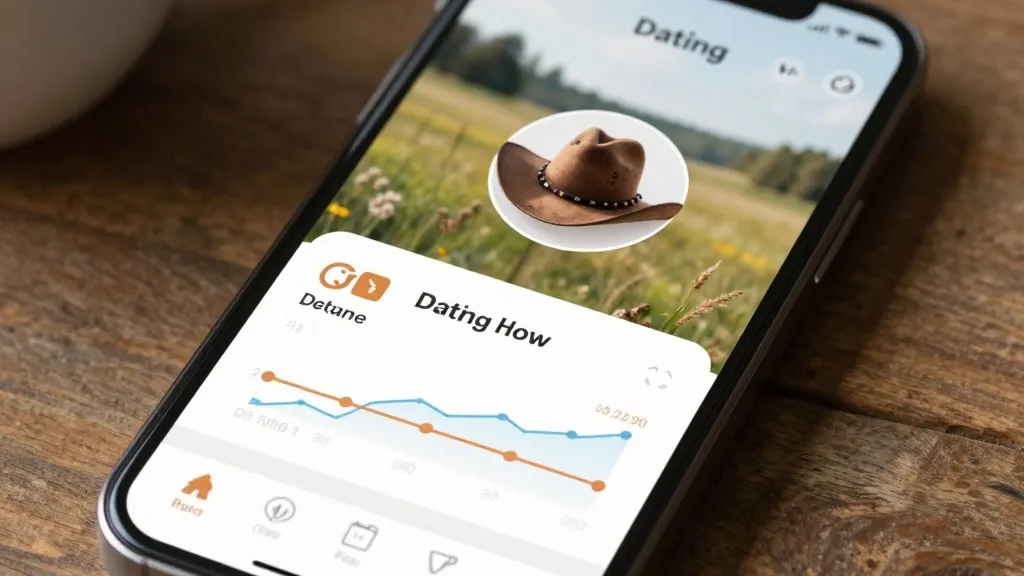
Match Group is wagering that the desire for traditional marriage has returned among young adults, a bet that has prompted a significant overhaul of its Upward dating app. The company has rebuilt the platform, originally launched in 2020 for Christian daters, to appeal to a broader audience of young singles who prioritize traditional values, even if they do not lead with faith. This strategic shift represents a departure from the app's original niche, aiming to capture a specific segment of the market that existing mainstream platforms may be overlooking.
The decision is grounded in data from the 2026 Singles in America study, which surveyed 5,000 unmarried US singles. The report found that 72 percent of Gen Z respondents stated they want to get married. Additionally, 25 percent of singles aged 18 to 34 identified with a combination of traditional values regarding family, faith, and community. Match Group describes its survey methodology as demographically representative of the US Census, though the specific findings have become the central pillar of the new marketing strategy.
Lauren DeFord, director of brand marketing at Match, explained that the pivot is intended to welcome users who share traditional goals but may not have a faith-first mindset. She noted that while Christian singles remain at the core of the mission, the relaunch is fundamentally a brand shift. The app now operates on a tiered subscription model and retains the familiar swipe interface of competitors like Tinder. However, it includes new elements such as a Faith Statement field, where users describe their relationship to God, and specific features designed to encourage traditional courtship dynamics.
Among the new tools is Chivalry Mode, which prompts men to initiate contact, a format reminiscent of Bumble's older design. Another addition is the Marriage Timeline feature, which allows users to indicate when they hope to wed. The promotional rollout for these changes leans heavily on retro Americana imagery. One video features a man in a cowboy hat carrying his partner through a meadow, accompanied by the text chivalrymaxxing. The company's Wanted: For Life campaign utilizes Western style visuals to reinforce the theme of modern courtship.
However, experts suggest the cultural landscape is more complex than the marketing implies. Daniel Cox, director of the Survey Center on American Life, argues that Gen Z is entering adulthood with less clear relational priorities. He points to a decline in social and civic life that has created a hyperindividualistic culture. An American Institute for Boys and Men survey found that 44 percent of Gen Z men had no relationship experience during their teen years, double the rate of older generations. Cox views the traditional trend as a reaction to a lack of cultural norms, noting that daters are desperate for a script, even if the traditional version is not ideal for everyone.
Other data presents a different picture of youth attitudes toward marriage. A 2023 Pew Research study found that only 23 percent of adults considered being married extremely or very important to a fulfilling life, compared to 61 percent who cited close friendships. The share of high school seniors expecting to marry someday has dropped from 80 percent in 1993 to 67 percent in 2023. Cox cautions that Match's statistics may be skewed by age, as older generations may have already married or divorced. He also notes a growing belief among young women that marriage can reduce happiness.
Early user feedback has been mixed, highlighting the gap between the app's vision and its execution. Adreanna Pulliam, a 25-year-old opera singer in Bloomington, Indiana, described encountering men in the red pill and trad wife mold, alongside profile photos taken at funerals. She expressed confusion over features that allow married people to join and list body types like chubby. Tauti, a social work student in California, quit after 48 hours, saying the experience turned her off from Christian dating altogether. Heidi Marais, a teacher and single mom, questioned why agnostics are permitted on the platform.
Upward has not released active user numbers, but it has faced complaints since its launch regarding functionality and automatic bans. One App Store reviewer described the app as janky as hell. Pulliam, who attended a Christian college, believes the app could find a niche within Christian private university communities. She added, however, that the platform may only work for someone with a little bit more of a closed mind, suggesting a limited appeal in the broader market.
Source: Wired
More Business · Tech news · Rip-Off Report · Report a business · Got a Story?