Trump seeks AI power dividends
The President urges hyperscalers to share excess energy with local residents to offset rising utility bills and improve public relations.
By Jisoo Serrano ·
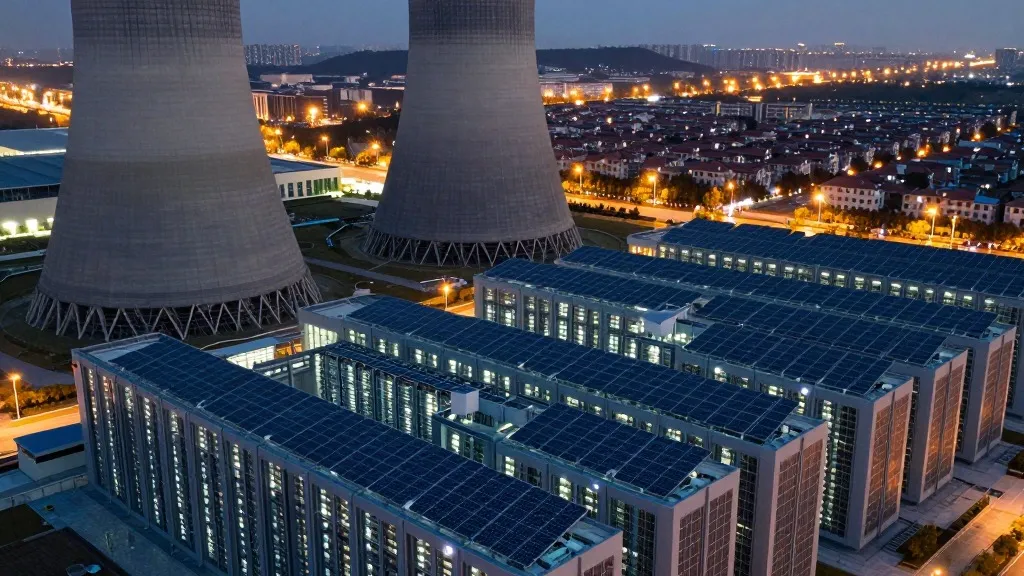
President Donald Trump has proposed a significant shift in how artificial intelligence infrastructure interacts with the public, urging data center operators to distribute financial or energy dividends to nearby communities. This move is designed to mitigate the backlash against massive AI facilities by ensuring that local residents receive tangible benefits from the operations that strain their local resources.
The core of the proposal centers on energy management and cost distribution. The administration is pushing for these facilities to generate their own electricity. Furthermore, Trump has suggested that any excess power produced by these sites should be sold or given back to the local grid. The objective is to prevent local utility rates from climbing and, in some cases, to drive them down for the households living in the immediate vicinity of these data centers.
This directive follows a broader push by the Trump administration to ensure that hyperscalers are self-sufficient in their power generation. The goal is to stop these companies from relying on the public grid in a way that forces local taxpayers to cover the costs of necessary infrastructure upgrades. A recently passed act already requires data centers to shoulder the expense of grid improvements, a measure intended to protect municipal budgets from the heavy lifting required to support such energy-intensive operations.
The President outlined his strategy in a post on Truth Social. He emphasized that data centers, which have often been viewed with suspicion in specific areas, can become popular when a financial agreement is reached. He concluded his message with a direct instruction to industry leaders: MAKE DEALS, and get them built!!! This language suggests a desire to accelerate construction by smoothing over local political friction through economic incentives.
The pressure on the AI sector is not solely economic. Local communities across the United States have increasingly organized against the rapid expansion of these facilities. Residents frequently cite noise pollution, air quality concerns, and significant water consumption as primary grievances. In some regions, the environmental footprint has even included deforestation to make way for the physical infrastructure. These factors have made data centers a difficult sell to town halls and local governing bodies.
The administration is keen to maintain the United States' competitive edge in the global AI race, particularly against China. However, this technological push has created a political liability in many suburban and rural areas. By mandating that these companies provide something back to the communities they impact, the White House hopes to win back some favor. The practical mechanics of how these dividends will be calculated and distributed remain a subject of speculation and debate among industry observers.
The term dividend itself raises questions about the financial health of these new ventures. Traditionally, companies pay dividends only when they are profitable. Many new data center builds are still in the process of recouping their initial construction costs. Critics suggest that requiring payments before full profitability is reached could place additional strain on the operators. This tension between long-term investment and short-term community appeasement is likely to be a focal point of future negotiations.
There are also technical considerations regarding the source of this power. In the short term, many data centers are relying on gas-powered generators to meet their immediate energy demands. While this ensures a steady supply, it can introduce noise and local air quality issues that contradict the goal of making these facilities more palatable to neighbors. Other, cleaner forms of power generation typically take longer to come online, meaning the immediate benefits of the energy sharing proposal may be limited to specific types of power sources.
Ultimately, the financial aspect is only one piece of a complex puzzle. Even if electricity costs are lowered or stabilized, other issues such as water usage and ecological impact persist. These challenges continue to make AI data centers a hard sell in many locations. Whether the proposed energy dividends will be sufficient to quell local opposition or merely serve as a symbolic gesture remains to be seen as the industry prepares for the next wave of construction.
The coming months will likely reveal whether this mandate is a substantive policy shift or a strategic communication tool. The interaction between federal goals, corporate financial strategies, and local community demands will determine the success of this approach. For now, the ball is in the court of the hyperscalers, who must decide how to structure these deals to satisfy both their investors and their neighbors.
Source: Tom's Hardware · original report published