New startup aims to build better war dogs with genetic engineering and high-tech gear
Warhound has raised $200 million to genetically engineer military dogs and equip them with Anduril technology, seeking to solve the U.S. reliance on foreign-bred working canines.
By Imani Brooks ·
The United States military is about to begin a significant shift in how it sources its working dogs, moving away from traditional breeding toward a model of genetic engineering and advanced technological integration.
The first major issue driving this change is a critical supply chain gap. According to new data released by the startup Warhound, over 80% of the U.S. military’s current working dogs are imported from Europe. Furthermore, the company notes that less than half of these imported animals are ultimately fit for active service. This dependency leaves the nation vulnerable to external factors when it comes to a resource that plays a vital role in bomb detection and specialized search operations. By developing these dogs domestically using genetic modification, Warhound hopes to secure a more reliable and tailored supply for U.S. defense and law enforcement agencies.
The second key element of the new approach involves fixing the biological limitations of traditional working breeds. Founders Ben Lamm of Colossal Biosciences and Palmer Luckey of Anduril identified that many standard breeds, such as Belgian Malinois and German Shepherds, suffer from inherited issues like poor eyesight, hip dysplasia, and muscle atrophy. Lamm explained that the team is using cell lines from top-performing dogs to create a biobank, where they will edit genes to enhance traits like speed, agility, and olfactory sensitivity. The goal is to create a new type of dog that is naturally healthier and better suited for demanding missions, reducing the number of animals that fail during training due to physical predispositions.
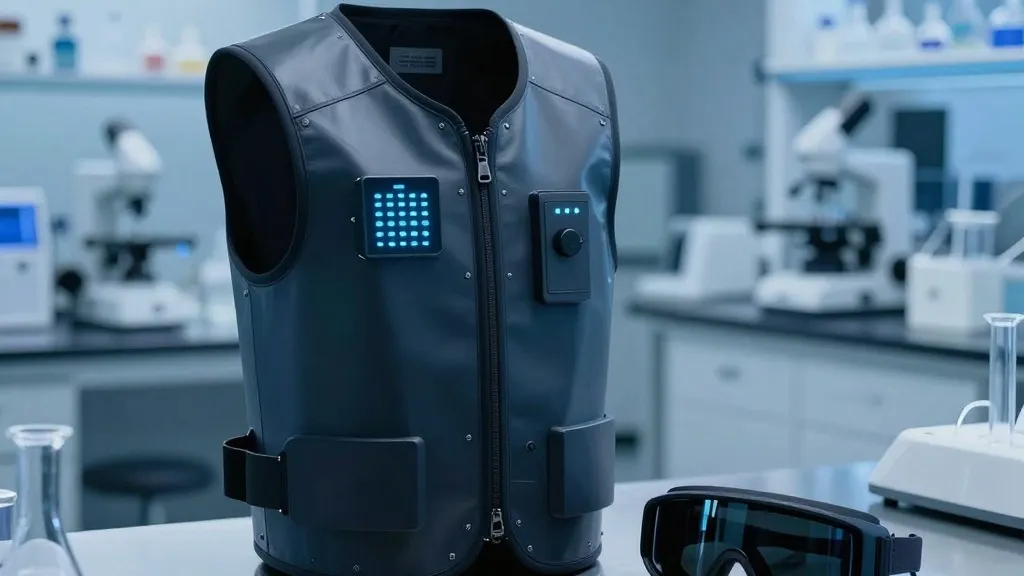
The third component is the integration of Anduril’s hardware and software to assist both the animal and its handler. While the genetic engineering focuses on the dog’s biology, Anduril will provide equipment such as protective vests and goggles. Lamm described these tools as sitting “on top of the dog, not in the dog,” allowing the animal to be equipped with sensors that provide situational awareness. This setup is designed to make the dog safer and more effective, while simultaneously providing better data to the human handler, who can then make more informed decisions in the field.
Contextually, this venture represents a convergence of biotechnology and defense tech, backed by $200 million in funding from investors including Sequoia, 8VC, Corner Ventures, and In-Q-Tel, a firm backed by the CIA. The round values the company at $1.2 billion. Colossal, known for its de-extinction projects, is licensing its technology to the venture, while Luckey serves as a partner without holding equity. The first batch of cloned dogs is expected to be born early next year, with service potentially beginning within two years.
Looking ahead, the company has briefed various government groups and is working with the American Humane Society to certify its training programs. The society has welcomed the collaboration, stating it is grounded in science and ethics. Once retired, these dogs are expected to enter the Military Working Dog Reunification Program, ensuring they find homes rather than being released into the wild. While pricing is not yet determined, Warhound plans to sell to first responders, the Department of Defense, and police forces, marking a new era for the working dog in U.S. public safety.
Source: TechCrunch