Amazon drops Northern Virginia data center plans after local resistance
The tech giant will convert a 122-acre site into homes and public spaces while donating land and funds to Loudoun County.
By Alina Ndlovu ·
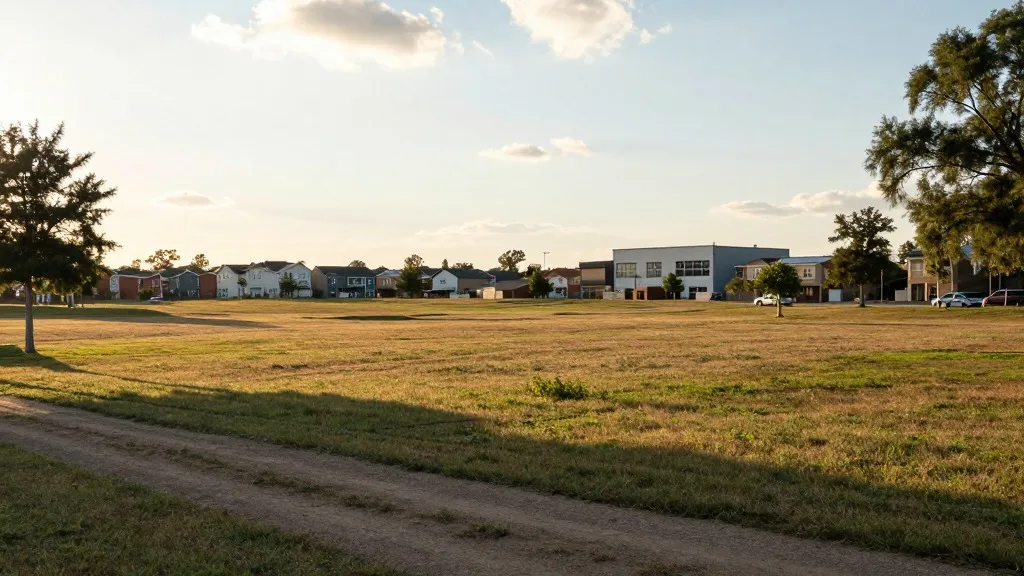
Amazon has officially withdrawn its proposal to construct four new data centers on the former George Washington University campus in Loudoun County. Located just outside of Washington, D.C., the 122-acre property will instead be redeveloped for mixed-use and residential purposes. This decision follows intense pushback from local residents who opposed the addition of major infrastructure to an area already known for its high density of server facilities.
The company will not simply leave the land idle. The majority of the space is slated for new housing and commercial development. Additionally, Amazon will donate 25 acres of the property to Loudoun County. This land is designated for the construction of a community arts center and a new recreational facility. To support local housing needs, the company has also pledged a $5 million contribution to the county's housing fund.
Key figures on both sides have highlighted the collaborative nature of the final agreement. Phyllis J. Randall, the chair of the Loudoun County Board of Supervisors, emphasized the value of open communication. She stated that the agreement creates new places for residents to gather and play, while also providing more attainable homes for working families. Amazon’s vice president of data center development, Josh Weissman, explained that the company initially saw strong potential in the site. However, he noted that after considering the county's pointed concerns, they concluded that a shared vision was better than costly litigation.
The shift in plans occurs against a backdrop of growing tension between tech expansion and community needs. Loudoun County is frequently referred to as Data Center Alley due to its status as the largest concentration of such facilities in the world. Residents have raised significant concerns about the noise generated by these buildings and the massive amounts of power required to keep them running. These factors have led to a more cautious approach by local officials regarding new construction projects in the region.
The broader context involves a surge in demand for computing power driven by artificial intelligence. This boom has led to larger facilities and higher energy consumption, causing spikes in electricity prices and water usage in affected areas. In response to these issues, President Donald Trump recently called for data center builders to pay local communities a dividend. He also suggested that these facilities should generate their own electricity and sell any excess power back to the grid to offset local costs.
Amazon first submitted its proposal in July. By September, company leaders met with county officials to discuss the project. During these discussions, it was suggested that an alternative use for the land might be more beneficial. The final agreement represents a compromise that avoids a potential legal battle while addressing local desires for housing and public amenities. The deal allows the county to retain control over how the land is used for the benefit of its residents.
The resolution demonstrates a growing trend where local governments are leveraging their planning powers to shape the development of critical tech infrastructure. By prioritizing dialogue over confrontation, Loudoun County secured tangible benefits for its community. Amazon, in turn, secured a long-term presence in the region without the immediate operational demands of running multiple data centers. This outcome may serve as a model for other communities facing similar proposals as the race for AI infrastructure continues to expand.
Source: Tom's Hardware · original report published
More Business · Rip-Off Report · Report a business · Got a Story?