Israelis cast ballots to determine next leader amid ongoing conflict
Voters choose between Prime Minister Benjamin Netanyahu and Gadi Eisenkot in a fragmented race where Arab parties may decide the outcome.
By Alina Ndlovu ·
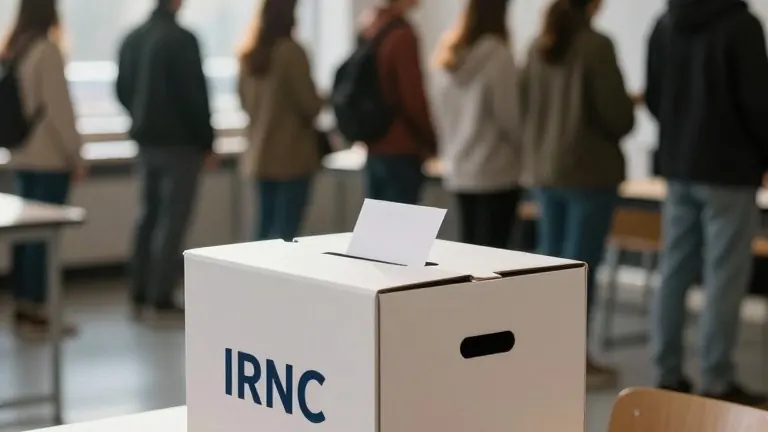
Polls opened Tuesday in a country still adjusting to three years of war.
Prime Minister Benjamin Netanyahu faces a crowded field of opponents seeking to remove him from power. Opinion polls indicate a tight contest, particularly against former military chief Gadi Eisenkot. The outcome is complicated by Israel’s fragmented parliament, where no single party has ever secured an outright majority. Leaders must build coalitions to govern.
In Kiryat Shmona, a stronghold for Netanyahu near the Lebanese border, tensions were visible before voting began. One man kicked and tore down a poster of Eisenkot. In Tel Aviv, families of victims from the October 7, 2023, attack and former hostages observed a moment of silence. Yona Adam, whose daughter Mapal died in the attack, urged voters to remember those whose voices are gone.
Nonaligned Arab parties are pushing for high turnout and could become decisive in the result. If neither Netanyahu’s religious and ultranationalist coalition nor the opposition bloc gains enough support, weeks of negotiations may follow before a leader is declared. Netanyahu has intensified rhetoric regarding Iran ahead of the vote. This week, he appeared in a video beside a missile-defense battery and warned Tehran of a devastating blow if it attacked Israel.
The election determines whether Israel will remain under religious and nationalist influence or shift toward liberal and secular values. Israel’s traditional allies in America and Europe have grown critical of its conduct in Gaza and the West Bank. Public support among Americans has dropped, and European partners have imposed sanctions in recent months. Critics of Netanyahu cite his ongoing corruption trial and the prolonged hostage crisis. They argue he has weakened the judiciary and allowed ultra-Orthodox men to avoid military service.
Supporters of Eisenkot describe him as a capable leader with strong security credentials. His son and two nephews were killed in Gaza. Parties likely to support him have pledged to improve Israel’s international standing. They also vow to conscript ultra-Orthodox men and bolster judicial independence.
Source: KSAT-TV