Ebola Outbreak: Congo Reports 10,000th Case as Spread Accelerates
Health officials warn that nearly half of confirmed cases have died, marking the deadliest Ebola outbreak in the country’s history.
By Rafael Esposito ·
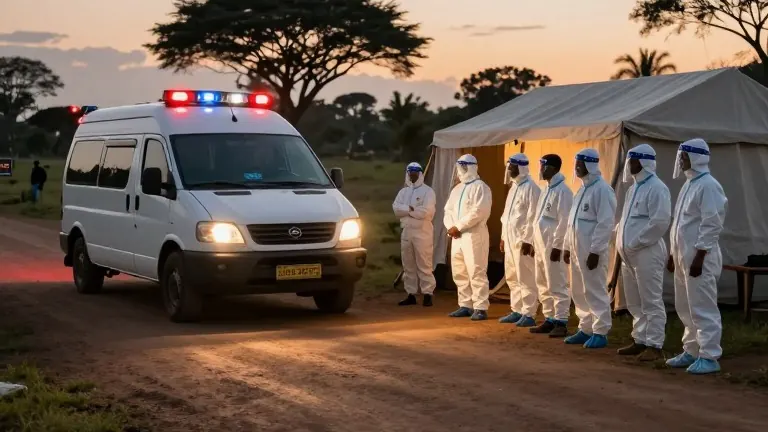
The Ebola outbreak in the Democratic Republic of Congo has reached a critical milestone. Government data released Tuesday confirmed the 10,000th case, signaling that the disease is spreading faster than health workers can contain it.
This is the fastest-growing Ebola outbreak in recorded history. According to the Ministry of Health, 10,060 people have tested positive, and nearly half of them have died. The outbreak began in May and is caused by the Bundibugyo virus. Unlike other strains, there is no approved vaccine or treatment for this specific type, which complicates every aspect of the response.
The spread has moved beyond the initial zone of origin. Cases have been recorded in five countries, including Uganda, Kenya, and Nigeria. Uganda and France currently have no active cases, but the presence of the virus in multiple regions marks a new level of geographic reach for the disease. Officials note that surveillance gaps contributed to the delay, as many early cases were confirmed long after symptoms appeared or after patients traveled.
On the ground, responders face a difficult environment. Armed conflict, poor infrastructure, and local mistrust create barriers to care. In Ituri province, the epicenter of the outbreak, Sephora Bgosi of the Ebola burial team said that some residents still do not grasp the danger. She noted that the disease is extremely dangerous and can be deadly. Despite these challenges, treatment centers are operating under strain. In one instance, health workers in Mongbwalu were filmed dancing in full protective gear after discharging the last two patients from a facility, a moment of relief in a tense region.
The World Health Organization’s Director-General, Tedros Adhanom Ghebreyesus, commented on that video, stating that every life saved is worth celebrating even though the outbreak is far from over. He emphasized the need for continued vigilance as the death toll climbs.
Data from Africa CDC shows that about 80% of new cases in Congo are coming from people who were not previously monitored contacts. This indicates that transmission chains are active in communities where health authorities are not aware. For officials to declare the outbreak under control, at least 95% of cases need to come from known contacts. Currently, that target is far away. Additionally, half of the recorded deaths occurred among people who never entered a treatment center, suggesting that many individuals are not reporting their symptoms.
The strain on the healthcare system is widening. Health workers in several zones have gone on strike over unpaid wages and bonuses owed since late August. Last Saturday, a nurse was killed and another worker was seriously injured while responding to an alert in Bafwasende, Tshopo province. These incidents reflect the tension between communities and responders who are trying to manage the crisis with limited resources.
The outbreak has also disrupted other medical services. Maternal mortality rates have doubled in some provinces as pregnant women avoid hospitals for fear of isolation. Routine childhood vaccinations have been interrupted, and schools have closed in affected areas. African health ministers are scheduled to hold a virtual summit Wednesday to discuss how to strengthen the continent’s collective response to the spreading disease.
Source: KSAT-TV