Tesla Optimus Delivery Pushed to Late 2027 Due to Hand Design Flaws
Musk admits the robot's fingers are the biggest hurdle, delaying external shipments by two years while competitors like XPeng and Boston Dynamics move faster.
By Rafael Esposito ·
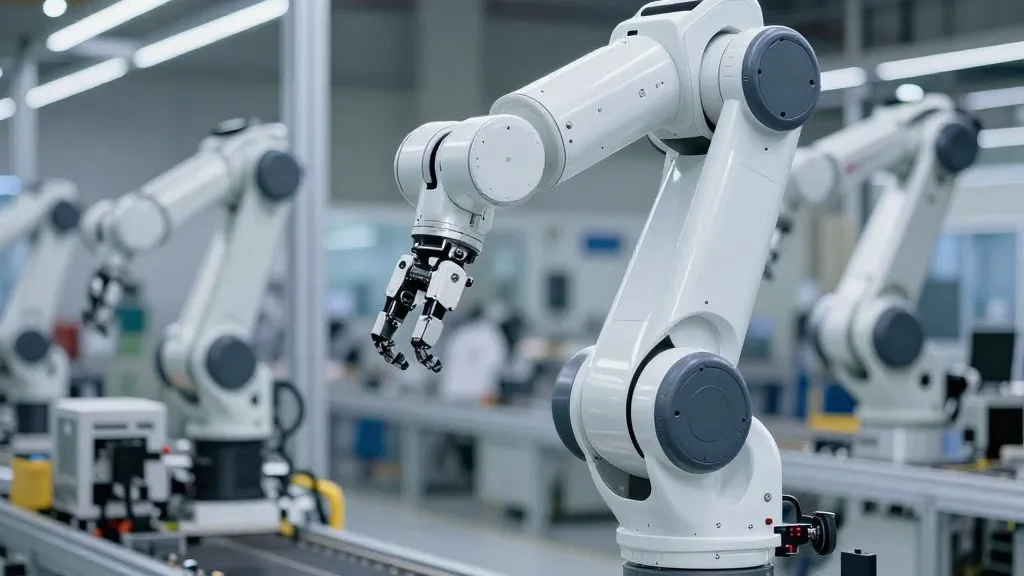
Tesla has moved the target for external Optimus robot deliveries to the end of 2027. This new date appears in the company's Q3 2026 earnings report. It marks a significant shift from previous promises. The delay is driven by unresolved issues in the hardware and software. Specifically, the robot's hands are the primary source of the problem.
Elon Musk stated on the earnings call that the hands, durability, and AI require more work. He confirmed that early production has started on the high-volume line in Fremont. This line previously built Model S and X vehicles. Most of the equipment is installed, but the design is still changing. Musk expects the major issues to be solved by the end of next year. Once fixed, Tesla will ship robots to outside companies for industrial use.
A Tesla engineer identified the hand as the hardest hardware component to finalize. The fingers must be soft enough for delicate objects but tough enough for constant wear. Unlike human skin, robot fingers cannot heal. This creates a difficult balance for the engineering team. Custom gears also present reliability concerns. The company plans to install its AI5 chip in the robots around April 2027. It will also build an Optimus Academy where 10,000 to 20,000 robots will practice tasks to generate data.
This is not the first time Tesla has adjusted its timeline. In 2024, the company predicted high-volume production for 2026. By January 2025, Musk claimed 10,000 robots would be built that year. He later admitted that none were doing useful work. The Q3 shareholder letter now describes current units as the first production-quality bots. This implies that previous models were not ready for serious manufacturing. The hand and forearm contain over 100 small parts that are assembled by hand, adding to the complexity and cost.
Musk argued that no other company is close to Tesla in general-purpose robotics. However, competitors have made visible progress. XPeng turned on an automated production line for its IRON robot in September. It plans to deliver units to stores and malls in early 2027. This timeline is similar to, or slightly ahead of, Tesla's new target. Boston Dynamics began producing its electric Atlas in January. All 2026 deployments are already committed, including deals with Google DeepMind. Hyundai plans to deploy 25,000 robots in its plants over the next few years.
Boston Dynamics has taken a pragmatic approach to the hand problem. It prioritizes sturdy grippers for industrial parts over human-like dexterity. This solves the reliability issue without requiring complex finger mechanics. Tesla faces the same core challenges as its rivals: creating hands that survive real work and AI that generalizes to new tasks. The company promises a video of unscripted robot work within a month or two. If the demo holds up, it will be a major step. Until then, the late-2027 deadline remains a target that has slipped before.
The competitive landscape is shifting. XPeng has a more automated production line. Boston Dynamics is already deploying robots in active factories. Tesla may build the most units, but utility is the key metric. The industry is waiting to see if Tesla can bridge the gap between building robots and making them useful. The next few months will provide the first clear evidence of progress.
Source: Electrek · original report published
More Business · Rip-Off Report · Report a business · Got a Story?