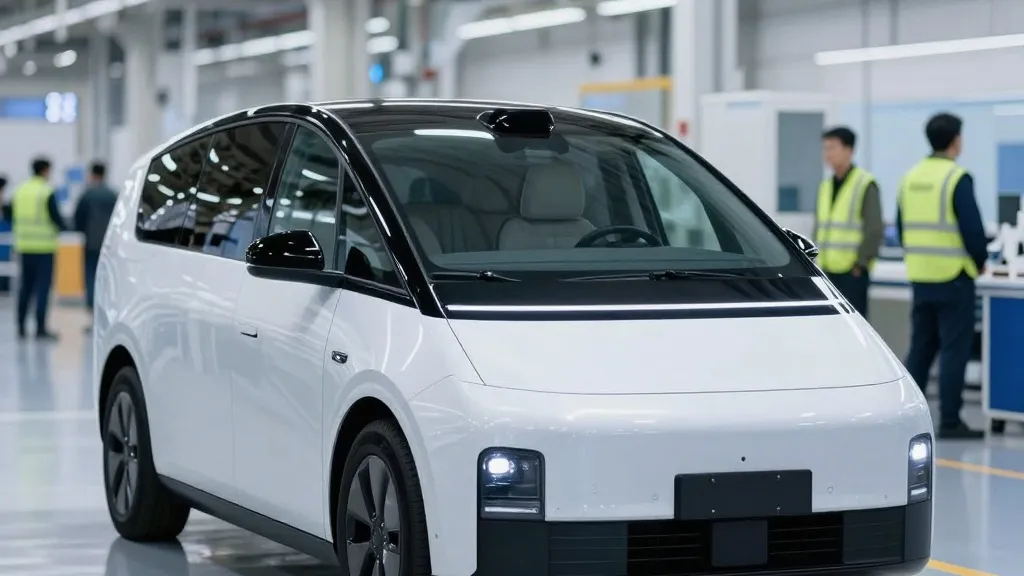
Q2 2027: Tesla's New Timeline for Unsupervised FSD
Tesla has set a target for driverless operations in customer vehicles, but the service will be strictly limited to existing robotaxi service areas.
By Jisoo Serrano ·
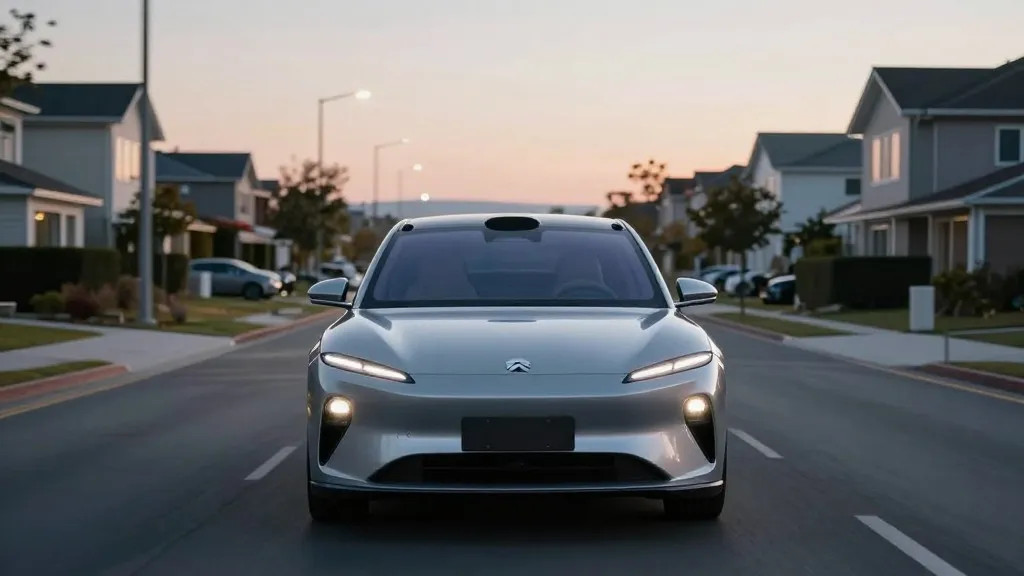
The central tension in Tesla’s latest earnings update lies in the gap between the product owners were sold and the specific technical roadmap now presented to investors. On the Q3 2026 earnings call, AI chief Ashok Elluswamy confirmed that unsupervised Full Self-Driving (FSD) for customer-owned vehicles is now targeted for the second quarter of 2027. However, the announcement clarified that this capability will not function as a universal, anywhere-you-go driver. Instead, owners will be able to add their personal vehicles to Tesla’s managed robotaxi fleet, meaning the cars will only operate unsupervised within the specific geographic zones where Tesla’s robotaxi service is already active.
This clarification addresses a primary question from retail shareholders, who backed the inquiry with approximately 1.1 million shares. The response shifts the definition of the feature from a software update that allows users to sleep while their car drives them to a new operating mode where Tesla controls the deployment. Consequently, the unsupervised functionality is geofenced. If an owner’s home or workplace falls outside these designated areas, the vehicle will require human supervision for the majority of its journey.
The scope of these unsupervised zones remains modest. Tesla’s robotaxi service currently operates in six U.S. metropolitan areas, but the active service areas cover only small slices of those cities. For instance, the Miami zone is largely confined to West Miami and a corridor extending toward Doral and Sweetwater. Similarly, the Orlando and Tampa launches in July featured small geofences. Within these boundaries, the vehicles stick to low-speed routes and largely avoid highways. In the Bay Area, unsupervised driving is not yet permitted because California regulations require a safety driver in every car, a requirement Tesla adheres to while it navigates data release rules with the state DMV.
The scale of the current operation highlights the distance to the 2027 target. Tesla reported that its robotaxi fleet reached nearly 2 million cumulative unsupervised miles by the end of the third quarter, a metric achieved one month after the Cybercab joined the Austin fleet. Third-party tracking data from this spring indicated that the number of fully driverless Teslas on the road is in the dozens, a figure that stands in contrast to the hundreds of thousands previously discussed by CEO Elon Musk. Competitor Waymo, which entered Orlando and Tampa before Tesla, has already logged over 3 million miles, underscoring the competitive landscape.
The new timeline follows a long history of shifting expectations. In July 2025, Musk stated that unsupervised FSD would be available for personal use in certain geographies by the end of that year. A year prior, he expressed surprise if the technology was not ready. Additionally, owners of vehicles with the HW3 hardware have been informed that their systems cannot run unsupervised FSD, with no clear upgrade path provided. The Q2 2027 date represents the latest iteration of a promise made for nearly a decade, narrowing the product definition to a fleet-based service within controlled environments.
Elluswamy identified safety as the primary bottleneck, explaining that Tesla currently limits operations to low-speed roads to manage risk. He suggested that these safety hurdles could be resolved by next year, though he acknowledged the uncertainty. For shareholders, the next step will be monitoring whether the Q2 2027 target holds and how quickly the geofenced zones expand beyond the current six metropolitan areas.
Source: Electrek · original report published
More Business · Rip-Off Report · Report a business · Got a Story?