Tesla Sets End-Year Cybercab Sale Date
Tesla executives confirmed that limited private deliveries of the autonomous Cybercab will commence by the end of 2026.
By Alina Ndlovu ·
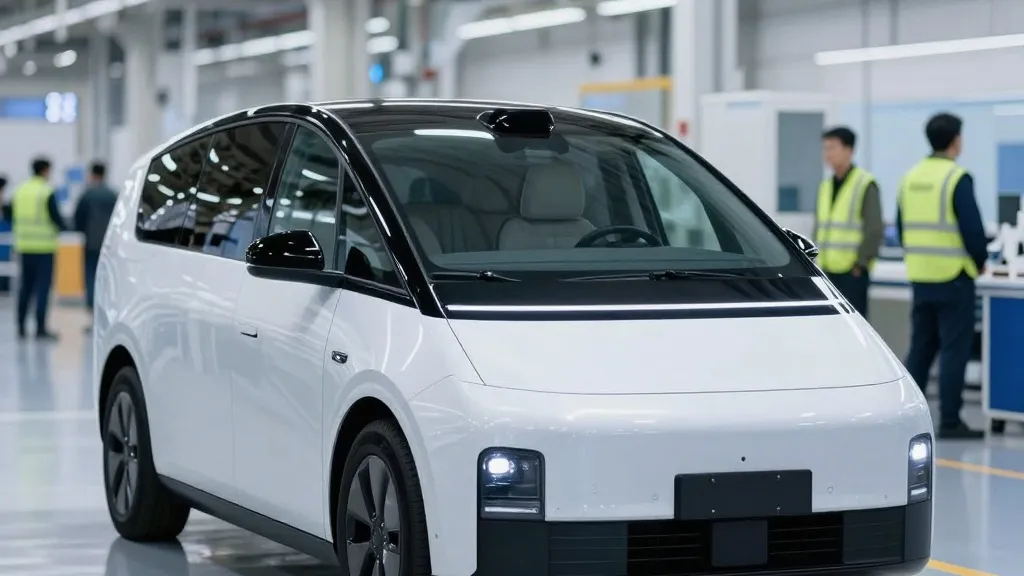
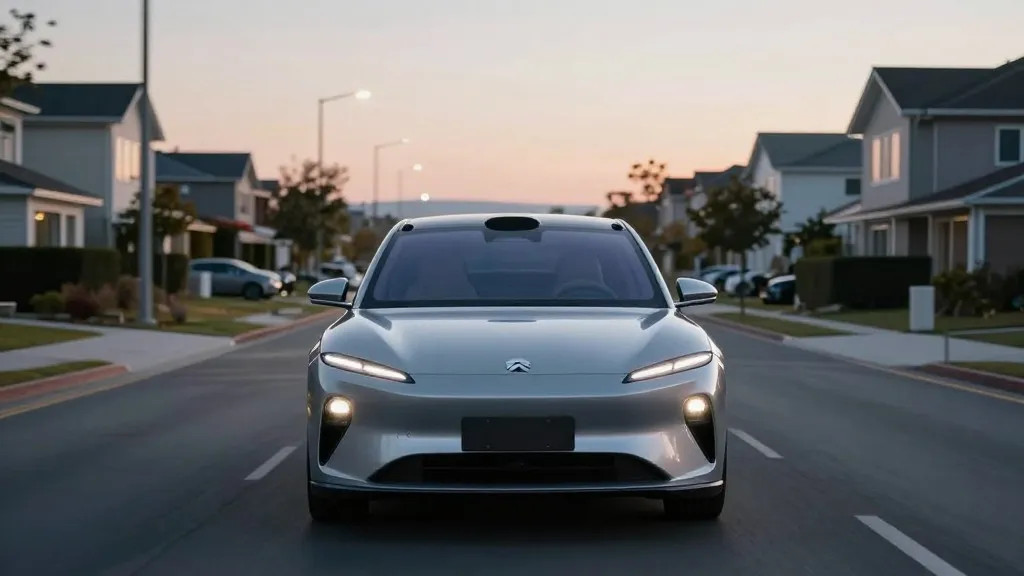
Tesla has established a concrete timeline for the commercial availability of its Cybercab, the company’s purpose-built, two-seat autonomous vehicle. During the third-quarter 2026 earnings call held on October 21, Vice President of Engineering Lars Moravy stated that the company intends to begin transferring ownership of these units to private customers before the close of the current year. This announcement resolves prolonged uncertainty regarding whether the robotaxi would remain exclusively within Tesla’s controlled fleet or transition to a broader market in the near future.
The strategic positioning of the Cybercab differs significantly from Tesla’s traditional passenger car lineup. CEO Elon Musk emphasized that the vehicle is designed primarily as a "transport-as-a-service" platform rather than a standard consumer automobile. Musk noted that the majority of Cybercab units will remain under Tesla’s ownership, operating within the company’s robotaxi network. This model contrasts with the ownership structure of existing models like the Model 3, Model Y, and the forthcoming Roadster, which are sold directly to individual buyers for personal use.
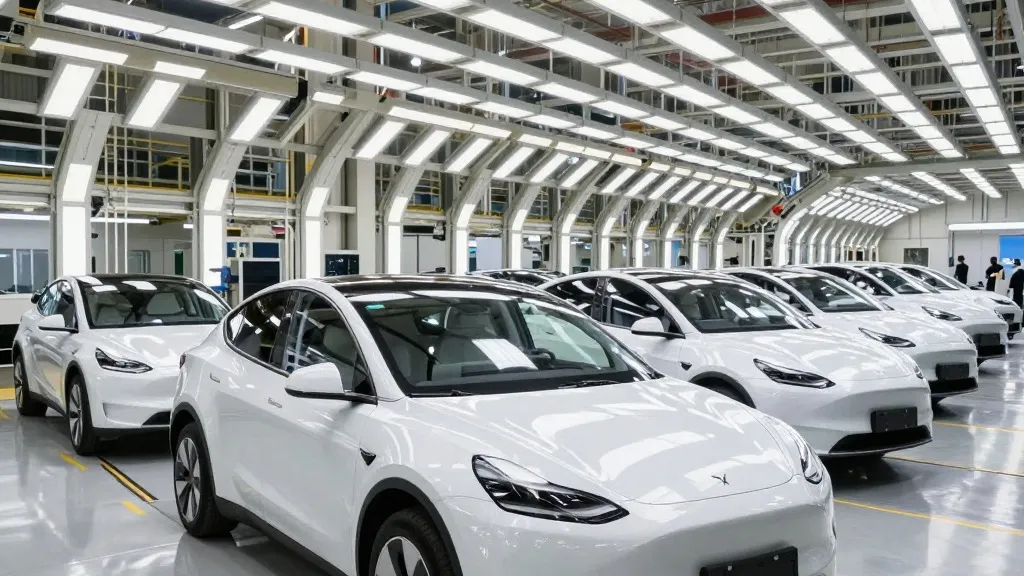
According to Moravy, production of the Cybercab is already active at the Gigafactory Texas facility. However, the initial output is being allocated entirely to Tesla’s internal robotaxi fleet to support its existing service operations. The shift toward private sales is intended to occur gradually. Moravy explained that as the company scales its operations, it will begin delivering fully autonomous vehicles to external customers, with the Cybercab serving as the first product in this new category. This phased approach allows Tesla to refine its logistics, fleet management, and ownership models while operating outside of direct corporate control.
The Cybercab represents a distinct engineering departure from Tesla’s previous vehicles, featuring a design that omits both a steering wheel and pedals. The vehicle relies entirely on Tesla’s Full Self-Driving technology suite. Production of the unit began in February of this year. By early September, the first batch of these vehicles had been integrated into the robotaxi service, at which point the company opened rides to the general public. Tesla has previously indicated that the target price point for private sale would be approximately $30,000.
The timing of these deliveries is significant as it marks the first time a fully designed autonomous vehicle without manual controls is being offered to private parties. While the robotaxi service has already been active for several months, the move to private ownership introduces new variables regarding maintenance, liability, and customer interaction. Tesla’s leadership is treating this initial release as a pilot program to gain practical experience in managing autonomous vehicles that are not directly monitored by the company’s central operations team.
Regulatory and technological hurdles remain a factor in the rollout. Ashok Elluswamy, Tesla’s Head of AI, indicated during the earnings call that unsupervised Full Self-Driving capabilities are expected to be shipped to consumer vehicles during the second quarter of 2027. This timeline suggests that the initial Cybercab deliveries in late 2026 may operate under specific geographic restrictions. These limitations are likely to persist due to the pace at which regulatory agencies approve autonomous driving technologies for wider public use.
For early buyers and fleet operators, the autonomous operation of their vehicles may be confined to specific areas where Tesla has secured regulatory clearance. This geographic restriction is a common feature in the early stages of autonomous vehicle deployment, allowing companies to manage risk while collecting data. The company’s strategy appears to be one of cautious expansion, prioritizing operational stability over immediate mass-market saturation.
The announcement of a year-end delivery date for the Cybercab signals Tesla’s confidence in its production capabilities and autonomous driving stack. By keeping the majority of the fleet under its own ownership, Tesla retains control over the service experience while still testing the viability of private ownership. This dual-track approach allows the company to generate revenue from both service fees and vehicle sales, while simultaneously gathering the operational data necessary to refine its autonomous technology for broader adoption in the coming years.
Source: Teslarati · original report published
More Business · Rip-Off Report · Report a business · Got a Story?