Spain faces election with two deadly train crashes
A collision in Toledo killed 68 people four weeks before voters head to the polls, prompting Prime Minister Pedro Sánchez to promise safety upgrades to the nation's rail network.
By Alina Ndlovu ·
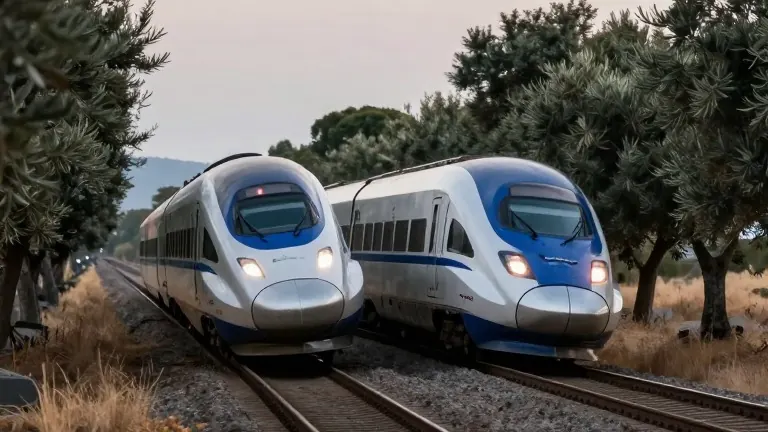
Spanish voters will face a grim backdrop when they cast ballots in four weeks. A high-speed train collision in the central province of Toledo killed 68 people on Wednesday. This is the second fatal accident on the country's rail network this year, a disruption that has rattled public confidence in a system previously regarded as one of the nation's proudest infrastructure achievements.
The Spanish high-speed rail network ranks second in the world by track mileage, behind only China. It had operated without a deadly crash for more than 30 years until January. In that earlier incident, 46 people died when a train left the tracks and struck another traveling in the opposite direction in southern Spain. The Toledo crash occurred on a section of line bordered by olive groves, turning a quiet stretch of track into a major emergency scene.
Prime Minister Pedro Sánchez visited the site in Toledo after regional authorities confirmed the death toll exceeded 60 and dozens of injured were transported to hospitals. He declared three days of mourning beginning Thursday. Sánchez pledged to investigate the collision and improve safety protocols to restore trust in a network that carried 45 million travelers last year. He stated that it is not acceptable for Spain to endure two high-speed train accidents in the same year.
Transport minister Óscar Puente attributed the cause to a human error at the central command center. At 8:30 a.m., a computer malfunction caused a security system on a 63-kilometer stretch of track to fail, halting all trains. An IRYO train stopped near the town of Urda, while a RENFE train halted 25 kilometers behind it. Minutes later, central command instructed the RENFE train to resume movement without speed restrictions. The train collided with the stationary IRYO train at 8:53 a.m. Puente said the engineers were not to blame and that the RENFE train should have remained stopped or moved at reduced speed because a stop signal was still active.
Both fatal crashes this year involved trains operated by the state-owned RENFE and the private company IRYO. Spain opened its high-speed rail market to competition in 2021, with IRYO beginning service the following year. The timing of the crash has intensified political pressure on Sánchez, who called for early elections earlier this month. Polls indicate his Socialist party faces a difficult path in the first national election since 2023.
Sánchez had posted on social media an hour before the crash that there were many reasons to be optimistic about the country. He now must address safety concerns alongside attacks from rivals on his migration policies and corruption accusations against his party and his wife, which both have denied. Alberto Núñez Feijóo, leader of the Popular Party, demanded a full investigation and canceled his party's campaign events for the day to respect the dead. He noted that Spaniards are asking tough questions that require answers.
Santiago Abascal, leader of the far-right Vox party, called the government a criminal organization and promised to work until it answers for its crimes in court. Abascal expressed anger over what he described as the despair and betrayal Spaniards are enduring. Workers used cranes late Wednesday to move parts of the damaged trains after hundreds of emergency responders, firefighters, police, and soldiers spent the day recovering bodies and rescuing survivors.
Source: WUFT