Aguirre: Menú del Día survives 14.70 euro hike
Journalist Lakshmi Aguirre details how rising costs and shifting habits are changing the daily meal that serves four million people each weekday.
By Rafael Esposito ·
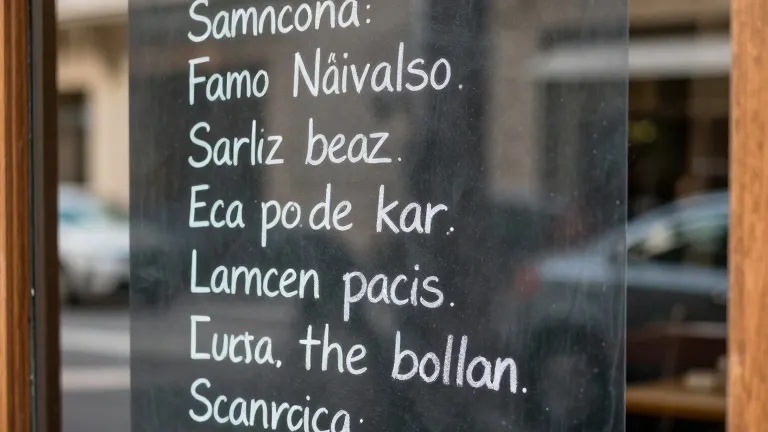
Lakshmi Aguirre argues in a new book that the Spanish daily set lunch, known as the menú del día, is facing structural pressure but is not yet gone. The food journalist published Menú del Día: Everyday Scenes of a First Course, a Second Course and Pudding to examine the history and current state of the meal. She says the tradition is in trouble, yet it persists as a central part of weekday life for millions of Spaniards.
Approximately 4 million of these meals are served every working day across the country. The average price has risen to 14.70 euros. This cost covers a starter, a main dish, and a choice of dessert or coffee, with bread and a drink included. The menu typically appears on chalkboards, whiteboards, or printed sheets taped to restaurant windows shortly before midday.
The menu originated in the mid-1960s as a tool for tourism. Manuel Fraga, the information and tourism minister under dictator Francisco Franco, devised the program. The government aimed to show foreign visitors that food in Spain was plentiful and affordable after the scarcity following the civil war. Regulations required restaurants to offer a soup starter and a main of egg, fish, or meat chosen from at least three options. A side dish and a fruit-based, sweet, or cheese pudding were also mandatory.
Prices were fixed between 50 and 250 pesetas. The law specified that the accompanying quarter-litre of wine must be pure, clean, and pleasant Spanish red or white with at least 12% alcohol. In the early 1970s, the offering was renamed to distance it from its tourist origins and to encourage local workers to eat out. Today, many people do not know of its origin under Fraga.
Aguirre noted that many Spaniards were shocked when she mentioned Fraga during her research. She said, "It says a lot about us Spaniards; we forget very quickly." She views the menu as a reflection of the country's social evolution. Nostalgia for the meal is growing as people recognize that the habit is fading.
The average price of 14.70 euros reflects rising energy and food costs. These increases make it difficult for small, family-run restaurants to maintain a rotating daily menu. Some establishments have switched to a single dish of the day to simplify operations. Others have added Latin American staples to reflect the changing demographics of the country. Aguirre accepts these changes, stating that the menu has always mirrored the society that eats it.
Changing eating habits also contribute to the decline. Many people with limited time now bring food from home or microwave ready meals from supermarkets. This shift reduces demand for the traditional three-course midday break. In 2009, chef Ferran Adrià declared the menu dead, citing changing habits and economic downturns. He also blamed bistro-style restaurants that charge 20 to 30 euros for simple meals. Seventeen years later, the verdict appears premature.
Aguirre defines a good venue by specific criteria. She looks for simple dishes and a regularly changing menu. She prefers fresh chips over frozen ones and values a regular clientele. She avoids chalkboards featuring words like avocado, burrata, tartare, truffle, or sourdough bread. She gives bonus points if the owners' child is doing homework at a table in the back. Her ideal meal includes a vegetable stew, hake in green sauce, or baby squid in ink, followed by fried milk or rice pudding.
For Aguirre, the value of the menu extends beyond the food itself. She describes it as a meeting point where families with limited means can eat out and people living alone can find company. She said, "What's being lost is a meeting point." The privilege of the menu lies not just in affordability, but in having the time to enjoy the meal.
Source: The Guardian
More Business · World news · Rip-Off Report · Report a business · Got a Story?