SpaceX declines military contracts while Spanish rocket nears final assembly
The US space company turned down three launch offers from the Space Force, and a European startup reports its Miura 5 vehicle is almost ready for testing.
By Rafael Esposito ·
SpaceX has formally declined three launch contract offers from the US Space Force, signaling a strategic pause in its military commercial activities. The decision, announced this week, indicates that the company is currently prioritizing other commitments or internal milestones over new government work. This move comes as the firm continues to manage its heavy workload in both civil and military sectors.
The Space Force had extended the offers to secure launch capacity, but SpaceX opted to pass on the opportunities. While the specific reasons for the rejection were not detailed in the initial report, the refusal highlights the company's capacity to select which contracts align best with its current production schedules and strategic goals. The Space Force remains a significant customer for commercial launch providers, making this a notable shift in the relationship between the military branch and the industry leader.
On the civil space front, attention has shifted to the technical requirements of SpaceX’s Starship program. A NASA safety panel recently indicated that a lunar landing mission using Starship may require as many as 22 separate refueling operations in orbit. This high number of refueling events presents a significant logistical challenge and underscores the complexity of the vehicle's design for deep space exploration.
The refueling requirement is a critical data point for engineers and mission planners. Each in-orbit transfer of propellant carries inherent risks and requires precise coordination. The panel’s assessment suggests that while the vehicle is capable of reaching the Moon, the operational burden of keeping it fueled for the journey is substantial. This information will likely influence future mission timelines and safety protocols associated with the program.
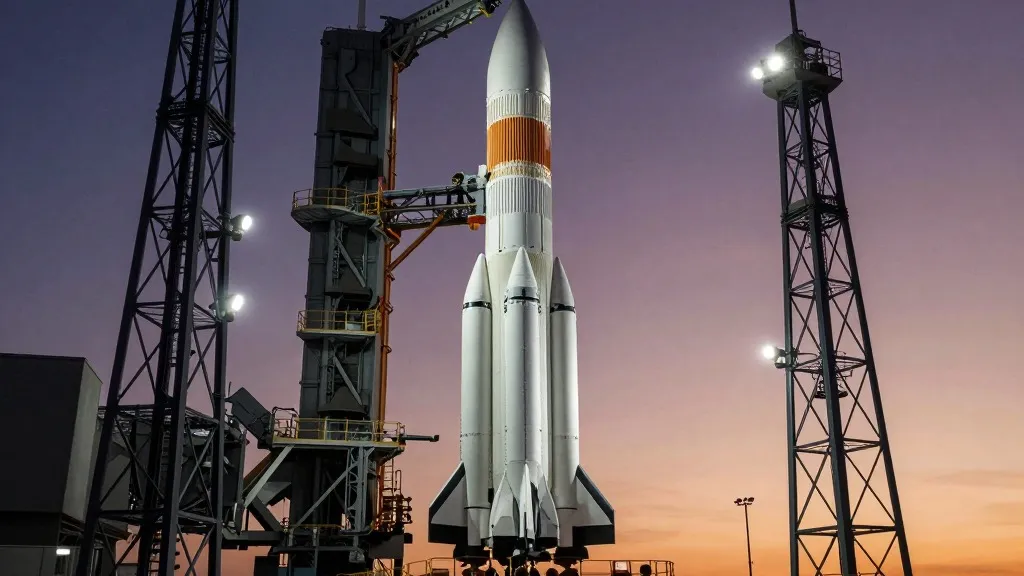
Meanwhile, in Europe, PLD Space is making steady progress with its Miura 5 rocket. The Spanish company stated that the vehicle is nearing final integration. Miura 5 is a small-lift rocket, and PLD Space has already manufactured three units of the vehicle. According to CEO Raúl Torres, the other two rockets were built to qualify key system elements, allowing the team to apply lessons learned directly to the launch vehicle.
Torres noted that manufacturing the three vehicles allowed teams to work continuously across different production stages. One Miura 5 second stage is now fully integrated and is undergoing system-level testing at the company’s facility in Teruel. This testing includes a wet dress rehearsal and a static hot-fire test. These steps are essential for verifying that the rocket can withstand the stresses of launch under representative operating conditions.
The company has targeted a first flight for the small-lift vehicle before mid-2027. This timeline reflects a cautious but steady approach to bringing a new European rocket to orbit. The progress on the Miura 5 is part of a broader effort to diversify the global launch market beyond the dominance of a few major players.
In Canada, startup Reaction Dynamics is seeking to raise $350 million to expand its operations. The company aims to grow its staff from 68 to more than 350 employees. Reaction Dynamics is developing the Aurora rocket, a small-lift vehicle that it hopes will reach orbit in 2028. The company has also announced plans for a medium-lift rocket named Borealis, which is slated for a debut by 2031. These funding efforts are crucial for scaling up production and meeting the ambitious launch dates.
The next three launches on the calendar will be closely watched by industry analysts and space enthusiasts. The combination of SpaceX’s strategic choices, the technical hurdles of Starship, and the progress of emerging startups like PLD Space and Reaction Dynamics paints a picture of a dynamic and evolving space industry. As these companies navigate their respective challenges and opportunities, the pace of innovation continues to accelerate.
Source: Ars Technica · original report published