Sorenson: Small Austin Ponds Attract Toads and Birds Within Days
A native plant society member details a low-cost method for creating aquatic habitats in south Austin yards using simple materials.
By Alina Ndlovu ·
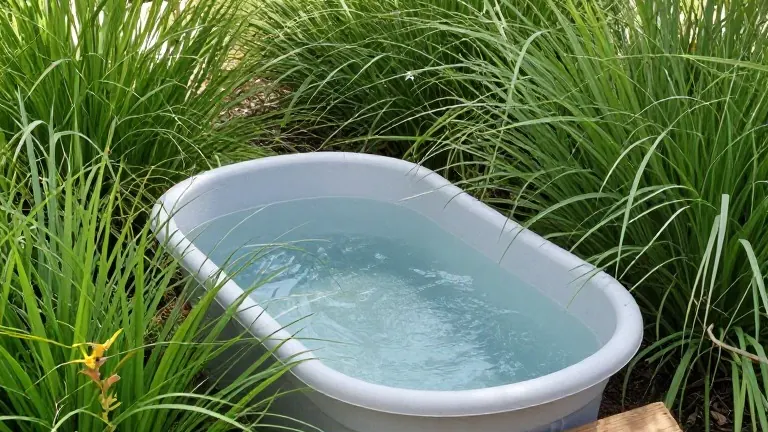
Claire Sorenson, a member of the Austin Chapter of the Native Plant Society of Texas, reports that adding a simple pond to her south Austin yard resulted in the immediate arrival of aquatic wildlife. She states that despite living in a dry region, species appeared almost immediately after she installed the water feature.
Sorenson describes a method that uses basic components to create a habitat. She recommends using metal livestock troughs, plastic liners, or large plastic tubs as containers. To prepare the water, she advises using collected rainwater or tap water that has sat for 24 hours to allow chlorine to dissipate. Chlorine is toxic to the aquatic life that visits the pond.
The plant selection focuses on native species that support local ecosystems. Sorenson lists ten specific plants from her own pond, including whitetop sedge, cardinal flower, pickerelweed, and water hyssop. She notes that these plants help keep the water clean and do not require a separate filtration system or aerator.
Wildlife response was rapid. Birds such as house finches, cardinals, and bluebirds began drinking and bathing at the pond first. Insects like bees and wasps also visited. Within a few days, Gulf Coast toads moved onto her patio. Sorenson heard their mating calls at night and observed strings of eggs in the smaller pond. Tadpoles hatched 24 hours later, and she spotted dragonfly larvae and an adult dragonfly hovering near the water.
Sorenson offers specific advice for residents who want amphibians to reproduce. She suggests using mosquito dunks instead of mosquito fish, as the fish eat amphibian eggs and tadpoles while dunks target only mosquito larvae. She also recommends stacking rocks to create a ramp so toads and frogs can enter and exit the water easily. Toad eggs hatch in 24 to 48 hours, and the young leave the pond in about 20 to 30 days.
For those without access to a municipal water supply for their pond, Sorenson outlines a simple rainwater collection system. She connects tanks to gutter downspouts using 3-inch PVC pipes. A filter basket at the top of the downspout and tank prevents debris from clogging the system. The water can be moved to the pond via a small pump or gravity if the tank is raised.
The City of Round Rock notes that its water customers are eligible for a rebate on rainwater collection systems. Sorenson’s article appeared in the Fall 2026 issue of Texas Native Plants magazine, where she encourages homeowners to view ponds as an accessible way to support dwindling aquatic species.
Source: City of Round Rock