Butte County Clerk Refuses DOJ Voter List After Finding 46 Names Instead of 47
Clerk Keaton Denlay cited a misspelled name and missing data in the spreadsheet, arguing the federal demand lacked the proof required by California law.
By Jisoo Serrano ·
Keaton Denlay, the clerk-recorder and registrar of voters for Butte County, declined to comply with a federal demand for voter data after discovering the Justice Department's list contained 46 names instead of the 47 claimed. The discrepancy was part of a wider set of errors that led Denlay to reject the paperwork delivered to his office north of Sacramento on Friday.
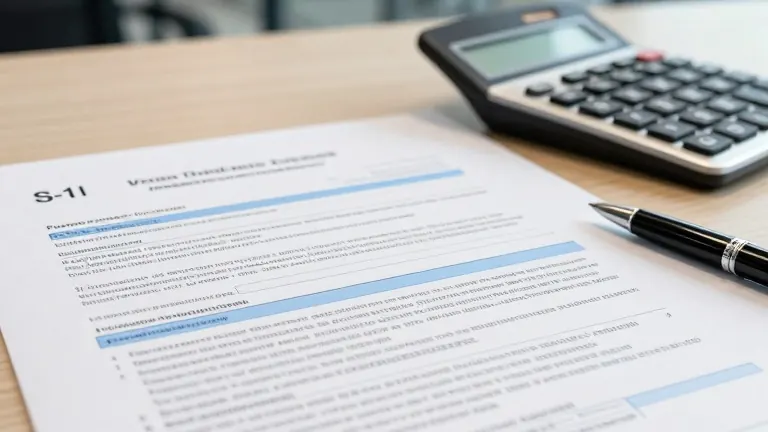
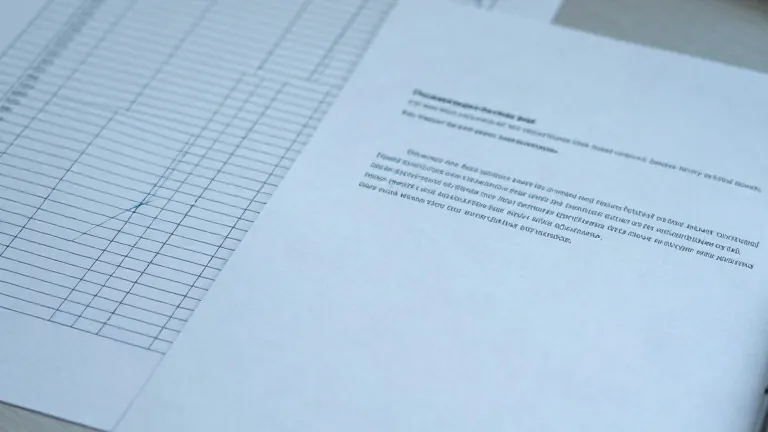
A person identifying as a Department of Homeland Security agent brought the documents to the county office at approximately 3:30 p.m. The package included a demand letter from the Department of Justice, two declarations, and a two-page list. Denlay noted that the letter misspelled his surname as "Danlay." He described the accompanying list as a printout of a poorly formatted Excel spreadsheet with jumbled and missing information.
The federal letter asserted that the list contained 47 "likely aliens" who were unlawfully registered. It requested specific details, including Social Security numbers, and instructed the county to set aside ballots for unconfirmed citizens without canceling them. The document set a 48-hour deadline and warned that officials who knowingly counted these ballots risked becoming "aiders and abettors to a federal crime."
Denlay’s review showed the list did not match the letter’s summary. The two pages were copies of the same list, which held 46 names with one duplicate. Of the 45 distinct names, 32 were not on Butte County’s active voter rolls and had never received ballots. Seven additional names lacked sufficient data, such as full addresses or dates of birth, to verify against county records. This left only six names that might be ineligible according to the federal government.
In a statement posted on the county website, Denlay pointed to California law, which places the burden on a challenger to provide "extraordinary proof of the validity of the challenge." He concluded that the Justice Department failed to meet that standard given the inaccuracies in the list. He stated that he never received a digital copy of the spreadsheet or further contact from the department, and he reviewed the records personally to keep staff focused on the election.
In an interview on Wednesday, Denlay called the threats "absurd" and said he was "not losing any sleep over it." He described experiencing a "rollercoaster of emotions" upon receiving the letter. He said he had to take the claim of fraud from a purported federal agent seriously but found "there wasn't any actionable information for me there."
The incident is part of a wider Justice Department push in the final weeks of the midterm elections. The department has alleged that 20,000 California voters are likely noncitizens and has sued to stop those ballots from being counted. State officials reject the claim, arguing the data is unreliable and the federal government lacks authority to intervene. A federal judge has criticized DoJ leaders for public statements that threatened to charge election officials.
Other counties received similar letters. Francisco Diaz, registrar of voters in San Benito County, said his office received a list of 33 names, some of whom were not registered there. Diaz stated, "We will not be intimidated by agents with guns for simply doing our jobs." CalMatters reported that the Orange County registrar did not initially see the letter because it was delivered to the clerk-recorder, whose office handles marriage licenses and property deeds rather than elections.
The letter was signed by Eric Grant, the U.S. attorney for the eastern district of California. A spokesperson for his office, Lauren Horwood, declined to comment on Denlay’s statement. A Department of Homeland Security spokesperson did not respond to an inquiry. Legal experts have stated that the threats appear designed to intimidate and that California officials acted lawfully in declining to comply.
Source: The Guardian
More Business · World news · Rip-Off Report · Report a business · Got a Story?