NYU Langone researcher details path to one million annual US dementia cases by 2060
Demographic shifts and workforce shortages intersect as new projections show patient numbers doubling while Medicaid funding faces structural cuts.
By Rafael Esposito ·
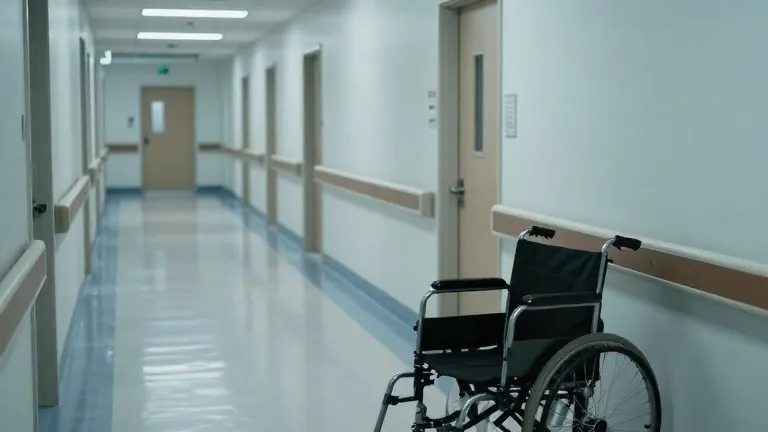
The US healthcare system is approaching a structural inflection point defined by rising demand for long-term care and a shrinking supply of qualified providers. New demographic data indicates that the annual number of new dementia diagnoses in the United States will double within the next three decades, creating a sustained pressure on a workforce that is already operating at capacity.
Projections published in Jama Neurology estimate global annual new dementia cases will rise from 11.4 million in 2023 to 24.7 million by 2050. A separate Jama study from 2024 projects that annual US diagnoses will grow from 514,000 in 2020 to one million by 2060. Researchers identify increased life expectancy as the primary driver, noting that more adults are surviving into the age range where dementia is most prevalent. The growth of the Hispanic population in the US is a secondary factor, with the Alzheimer's Association reporting that Hispanic individuals are 1.5 times as likely to develop the condition as white individuals.
Jordan Weiss, an assistant professor at the Optimal Aging Institute at NYU Langone, explained that demographic momentum ensures case counts will rise even if individual risk factors decrease. "Even if you reduce the risk of dementia, just the sheer number of adults who are entering the ages where dementia is most common will increase the number of people living with and who develop dementia," he said.
The labor market for direct care workers is contracting even as demand expands. A 2024 report from the American Health Care Association found that nearly all nursing facilities struggled to recruit staff, with two-thirds citing a lack of qualified candidates. About half of these facilities limited new admissions in response. The Center for American Progress projects demand for nursing assistants and home health aides will increase by 48 percent and 42 percent respectively between 2020 and 2035. However, median wages remained low in May 2025, with nursing assistants earning under $19 an hour and home health aides earning $17 an hour, according to the Bureau of Labor Statistics.
Specialist availability is also declining. The number of geriatricians in the US dropped from 10,270 in 2000 to 7,413 in 2022, according to a Jama report. Weiss noted that compensation in this field is among the lowest in medical specialties, contributing to the shortage.
States are implementing targeted incentives to address these gaps. A KFF survey found that nearly half of states offered incentive payments in 2025 to recruit or retain Medicaid home care workers. South Carolina established a loan forgiveness program for physicians who complete geriatric fellowships and practice in the state for at least five years. These state efforts occur as the federal government enacts the One Big Beautiful Bill Act, passed in 2025, which includes nearly $1 trillion in Medicaid cuts over ten years. Medicaid funds more than half of US long-term care spending.
The FDA has approved two drugs, Kisunla and Leqembi, that can modestly slow cognitive decline in early Alzheimer's patients, along with blood tests for diagnosis and risk prediction. Julie Zissimopoulos, a professor at the University of Southern California, stated that while these advances may improve patient lives, they will be costly for the healthcare system. Weiss urged policymakers to focus on preventive measures like cardiovascular health and physical activity while building a system capable of delivering current care, rather than waiting for a cure.
Source: The Guardian
More Business · World news · Rip-Off Report · Report a business · Got a Story?