Bank Lobby Leaves Paris Out of Global Tax Comparison
UK Finance cites a 46.2% London tax rate to argue against budget increases, but independent estimates suggest Paris rates are up to 57.3%.
By Jisoo Serrano ·
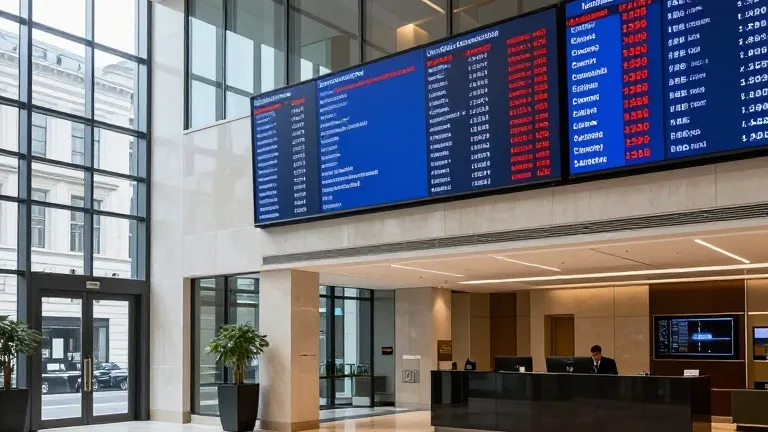
UK Finance, the lobbying arm for major lenders like Lloyds and JP Morgan, submitted data to Chancellor John Healey that excludes Paris from its list of global financial centers. The group used this data to argue that London already carries the heaviest tax burden in the world. This omission occurred just days before the next budget, where tax changes are expected.
The industry group relies on an annual report from PwC to make its case. The report calculates the total tax load on a standard large bank. It combines corporation tax, social security, VAT, and bank levies. The data places London at a 46.2 percent total tax rate. This figure sits above Amsterdam at 42.2 percent, Frankfurt at 39.1 percent, Dublin at 29 percent, and New York at 27.9 percent.
Paris is a major competitor to London for banking business. It hosts large operations for firms such as Goldman Sachs and Barclays. Independent calculations reviewed by a major accountancy firm show a different picture for the French capital. Those estimates place the total tax rate for a Paris-based bank between 51.6 percent and 57.3 percent. This range is up to 11.1 percentage points higher than the London figure cited by the lobby.
UK Finance said it could not create a like-for-like figure for Paris using its specific model bank. The group maintained that keeping the same five cities allows for consistent tracking over time. It noted that previous reports showed other jurisdictions with higher rates than the UK in earlier years. The letter to the Chancellor warned that raising taxes could push banks to move jobs and business to rival cities.
Paul Nowak, general secretary of the Trades Union Congress, called the lobbying effort misleading. He argued the data does not reflect the actual taxes paid by Britain's big banks. Nowak said those payments are likely lower than those of competitors. He proposed raising the bank surcharge from 3 percent to 8 percent to generate 2.25 billion pounds per year. This would reverse cuts made by previous Conservative governments.
Simon Youel, head of policy at Positive Money, questioned the methodology. He asked if Paris was left out to let UK Finance claim the City contributes more tax than any other global sector. Youel expressed hope that the Chancellor would raise bank taxes to recoup profits from higher interest rates. He suggested the government follow other countries in this move.
Reactions within the banking sector have been split. CS Venkatakrishnan, chief executive of Barclays, told reporters on Thursday that the financial impact of a tax rise would be bearable. He gave the Chancellor his full support. Jamie Dimon, head of JP Morgan, warned in May that the bank could scrap plans for a new 3 billion pound London headquarters if Britain became hostile to banks. Dimon met with Healey and Andy Burnham last month to discuss the risks to investment.
A Treasury spokesperson said tax decisions are for the Chancellor to set out at fiscal events. The department noted it does not routinely comment on proposals. PwC has been contacted for comment on the report's methodology. The budget is scheduled for next week.
Source: The Guardian
More Business · World news · Rip-Off Report · Report a business · Got a Story?