Texas Senate Race: Democrats target Collin County's demographic shift
The most populous U.S. county never won by a statewide Democrat this century is seeing rapid population growth and political movement toward the left.
By Alina Ndlovu ·
Collin County, the most populous county in the United States that a statewide Democratic candidate has never won this century, is emerging as the decisive battleground in the 2026 Texas Senate race. For Democratic nominee James Talarico, winning the state may require capturing this district, a feat no federal Democrat has accomplished since 1970. U.S. Senate nominee Ken Paxton, a longtime Republican from the area, faces a electorate that has shifted significantly in recent years due to rapid population growth and changing demographics.
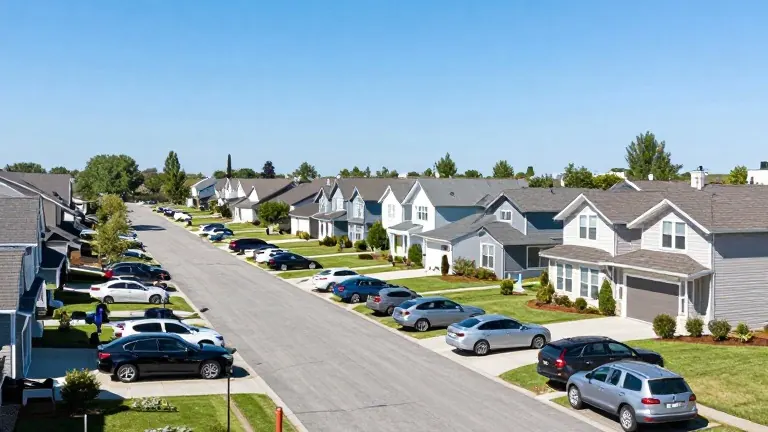
The county has transformed from a traditional Republican stronghold into a competitive purple district over the past two decades. In 2000, the population stood at nearly 500,000. By 2026, that number has climbed to nearly 1.3 million. Four of the five fastest-growing cities in the nation are located in Collin County: Celina, Princeton, Melissa, and Anna. This expansion has been driven by corporate headquarters from companies such as FedEx, Frito Lay, and Toyota North America, as well as the availability of housing and schools.
The political implications of this growth are measurable. In the 2018 midterm election, Senator Ted Cruz won the state by less than three percentage points while holding Collin County by about six percentage points. By the 2024 Senate race, Cruz won his seat by an eight-percentage-point margin but carried Collin County by only five percentage points. The 2020 presidential election marked a turning point, as the county voted to the left of the state average for the first time in decades.
Demographers attribute the shift to a more diverse population. About 45 percent of residents are white, 23 percent are Asian, 17 percent are Hispanic, and 12 percent are Black. Over half of the population holds at least a bachelor’s degree. The median household income is $121,600, the second highest in Texas. Shelby Williams, a former Collin County Republican Party chair, noted that the area has been getting a little purpler for ten years. She said, “If we can take it from them, they can take it right back from us. And we’re watching that unfold election cycle after election cycle, chipping away a little bit.”
The South Asian community plays a central role in the current political dynamic. The county is home to the state’s second largest Asian population. In recent cycles, Republicans have made gains with Indian American voters. In 2024, President Trump narrowly won several Asian-heavy precincts in Frisco after the local GOP hung campaign signs in Hindi, Telugu, Gujarati, and Tamil. However, tensions have risen this year following anti-Indian rhetoric from some right-wing activists and officials.
In September, Republican railroad commissioner nominee Bo French posted a photo of South Asian students storming a football field, calling the situation “far worse than anyone imagined.” The post sparked criticism within his own party. Nabila Mansoor, executive director of Asian Texans for Justice, said the community has become highly activated in response to these events. Early voting data shows increased turnout in neighborhoods with large Indian populations.
Both campaigns are focusing heavily on the district. Talarico began his final statewide tour in Plano on the eve of early voting. Paxton was seen at a restaurant in Allen on the first day of early voting. He has visited the town multiple times this cycle. Ross Hunt, a Republican operative, described Collin County as a dark horse for Democrats, noting that many immigrants to the Dallas-Fort Worth area are motivated by economic factors rather than ideology.
Liz Slack, a longtime resident and former Republican voter, represents the type of suburban, college-educated woman the GOP has struggled to retain. She voted for Kamala Harris and Colin Allred in 2024 and plans to vote for Talarico this fall. Slack said she does not fully accept that she has switched parties, but her voting choices reflect a move toward center-right values that she feels are distant from the current Republican platform.
The outcome in Collin County will determine the trajectory of the statewide race. Democrats argue that the path to victory is already heading in their direction due to population trends. Republicans counter that native Texans, not just transplants, are driving the shift. The next few days of early voting will provide the first concrete data on whether the county continues its movement toward the left.
Source: KSAT-TV