Ohio Group Targets 10 Towns to Ban AI Data Centers
A bipartisan coalition led by a local attorney is pushing local charter amendments and a statewide constitutional ban against hyperscale computing facilities.
By Alina Ndlovu ·
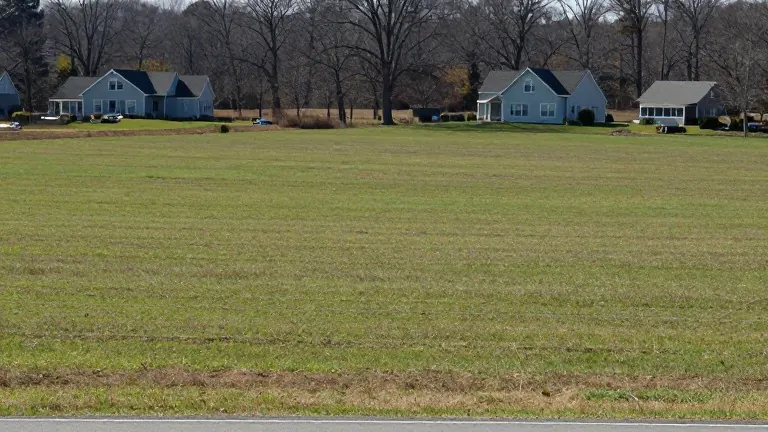
Nick Owens, a lifelong Republican and attorney in Mt. Orab, Ohio, has spent the last two years investigating a 1,000-acre property sale. Records show that farmland and trees near his rural exurb were sold to a data center developer in 2024 and 2025. The site sits adjacent to two-story homes, prompting Owens to question why the construction details remained hidden from neighbors. Nondisclosure agreements blocked his initial attempts to obtain information about the project scope and timeline.
Ovens joined forces with another local attorney and a real estate agent to form Conserve Ohio. This volunteer network now spans nearly all 88 counties in the state. The group includes Democrats, Republicans, and Independents united by a desire to preserve the local character of their communities. They argue that the rapid expansion of hyperscale data centers, which power artificial intelligence, is occurring without sufficient public input.
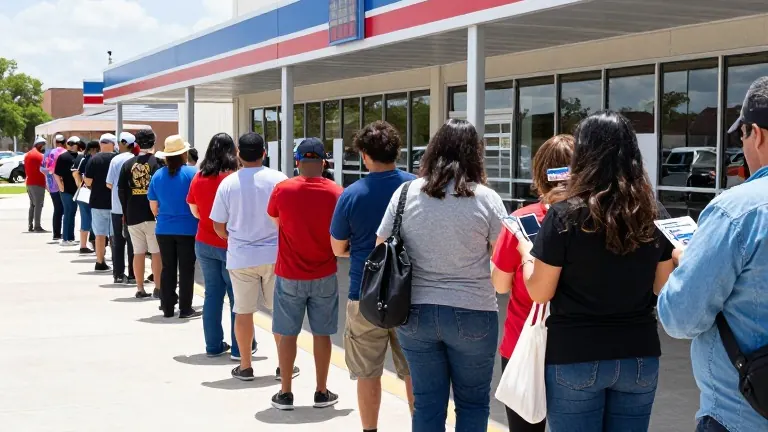
This fall, Conserve Ohio is supporting ballot initiatives in 10 different communities. These measures would amend local charters to prohibit the construction of large-scale data centers. The goal is to create permanent local rules rather than relying on temporary pauses that many municipal and county governments have adopted. Owens stated that these votes will determine if communities truly want these facilities built near their homes.
The group is also pursuing a more ambitious state-level goal. They are collecting signatures for a petition to amend the Ohio state constitution. This amendment would ban large-scale data centers across the entire state. The target is to place the measure before Ohio voters in the 2027 election cycle. The effort aims to establish a statewide standard for energy-intensive computing facilities.
Tech companies have operated in Ohio for more than a decade, attracted by cheap land, existing energy infrastructure, and tax incentives. These projects have generated tax revenue, school funding, and construction jobs. However, residents often cite the constant noise, emissions, and need for new power plants as downsides. Owens argues that while economic benefits exist, they should not come at the cost of local quality of life. He suggests that developers should build on old industrial sites rather than pristine farmland.
The data center debate has become a central issue in the upcoming midterms. Former Democratic Senator Sherrod Brown has labeled incumbent Republican Senator Jon Husted as the face of the industry. Brown points to Husted's past role in welcoming tech companies to the state as lieutenant governor. Husted has countered by accusing Brown of hypocrisy regarding his previous support for data center investments. Husted also introduced a bill in Congress requiring data centers to pay for power grid upgrades, which Senate Democrats have blocked.
Linda Moodie, an independent volunteer with Conserve Ohio, remains skeptical of the candidates running for statewide office. She believes none of them will voluntarily give residents a say in the buildout process. Between now and Election Day, she is collecting signatures at local events to ensure the statewide ban reaches the ballot. At a recent celebration in Fairfield, she distributed petitions to parents alongside candy for children, receiving positive responses from attendees.
Political enthusiasm in rural Republican strongholds appears to be shifting. Owens served as a Trump delegate at the Republican National Convention two years ago. He notes that the area voted 80 percent for President Trump in 2024. However, the presence of campaign yard signs in Mt. Orab is noticeably lower than in previous cycles. Owens attributes this dampened enthusiasm to the combination of data center concerns and high diesel fuel prices.
President Trump recently posted on his social media platform that communities wanting to end backwardness and poverty should let data centers reign. He warned that killing the golden goose would leave locals to blame themselves. Owens described the president's comments as tone deaf, arguing that residents simply want to maintain their regular way of life. Construction at the Mt. Orab site has not yet begun, and the timeline remains unclear due to ongoing secrecy around the project.
Source: NPR