Satellite Links Restored to Ukrainian Front
Kyiv reports critical satellite communications have returned to operational speeds for military equipment.
By Jisoo Serrano ·
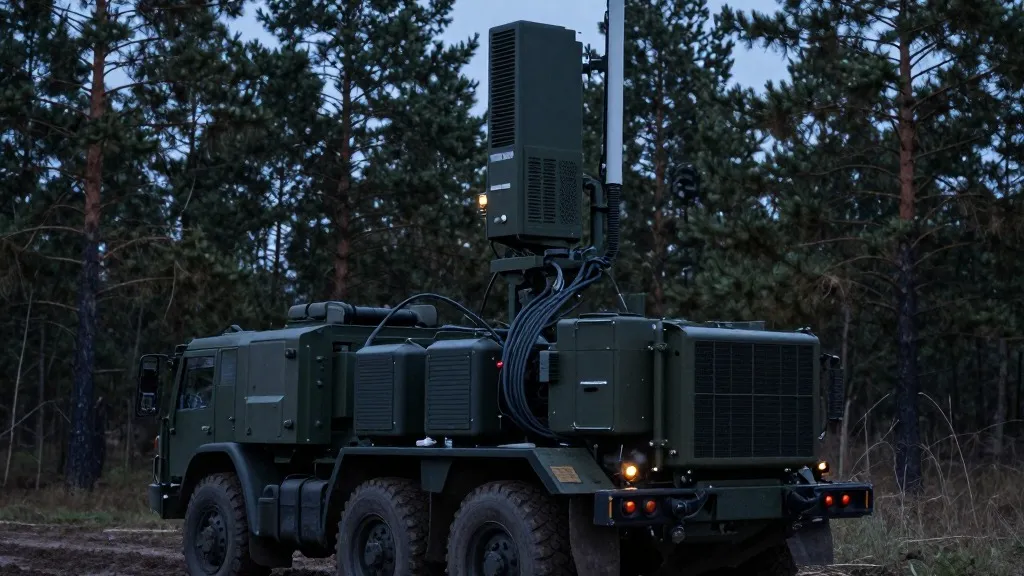
Military operations in Ukraine are resuming normal patterns after a critical satellite communications system returned to its previous operating speeds. President Volodymyr Zelenskyy announced on October 24 that connectivity for the Starshield network is functioning normally again. The restoration of these speeds allows for improved logistics along the front lines and better defense against incoming drone attacks, specifically those involving jet-powered Shahed drones.
The issue centered on restrictions that had significantly hampered defense efforts. Previously, satellite links were dropping when equipment moved at speeds exceeding 161 kilometers per hour (100 mph), a limitation that persisted for nearly two weeks. This constraint prevented drone interceptors and other mobile units from maintaining stable communications while traveling at the speeds required for interception. Defense Minister Yevheniy Khmara confirmed that monitoring now shows equipment operating at speeds greater than 400 kilometers per hour (250 mph) can maintain connectivity, crediting direct dialogue for the resolution.
While functionality has been restored, questions regarding the origin of the restrictions remain unresolved. The Trump administration has denied that the President or any government official requested the limitations, and the Wall Street Journal reported that Donald Trump urged Elon Musk to lift them. Musk has stated that the U.S. military holds decision-making power over the system. Lawmakers from both parties are seeking answers regarding who authorized the changes and are demanding guarantees regarding future access.
The timing of the communications issue coincided with broader geopolitical friction concerning energy policy. In the past two weeks, the U.S. administration announced a deal encouraging Russian diesel exports and waived pending sanctions. Additionally, the U.S. has urged Kyiv to pause attacks on Russian oil refineries due to concerns over diesel prices. While Zelenskyy initially considered such a pause, he later stated that Ukraine would not stop unilaterally after Moscow ordered strikes to continue.
Hostilities continue across the region despite the diplomatic tensions. Ukraine's air defense forces reported intercepting 100 of 130 drones launched by Russia on October 24, though attacks on 15 locations resulted in civilian casualties. In retaliation, Ukrainian forces struck two industrial facilities and a military airport in Russia, including a plant producing components for cruise and ballistic missiles. Separately, a power outage affected most of Russian-occupied Crimea, including Simferopol and Sevastopol, which authorities attributed to a drone attack on main power lines.
The restoration of communications comes as peace talks remain stalled and the Kremlin has offered no concessions. With a fifth wartime winter approaching, the conflict continues to impact energy infrastructure, including the Taman electrical substation in Russia's Krasnodar region, which supplies Crimea. Ukrainian monitoring channels reported a fire at that location, while the cause of the power outage in Crimea has not been independently confirmed.
Source: RFE/RL