Meta deploys Google AI chips in production
A new software bridge allows Meta to run large-scale AI inference on Google's TPUs, marking a significant shift in the market's hardware landscape.
By Alina Ndlovu ·
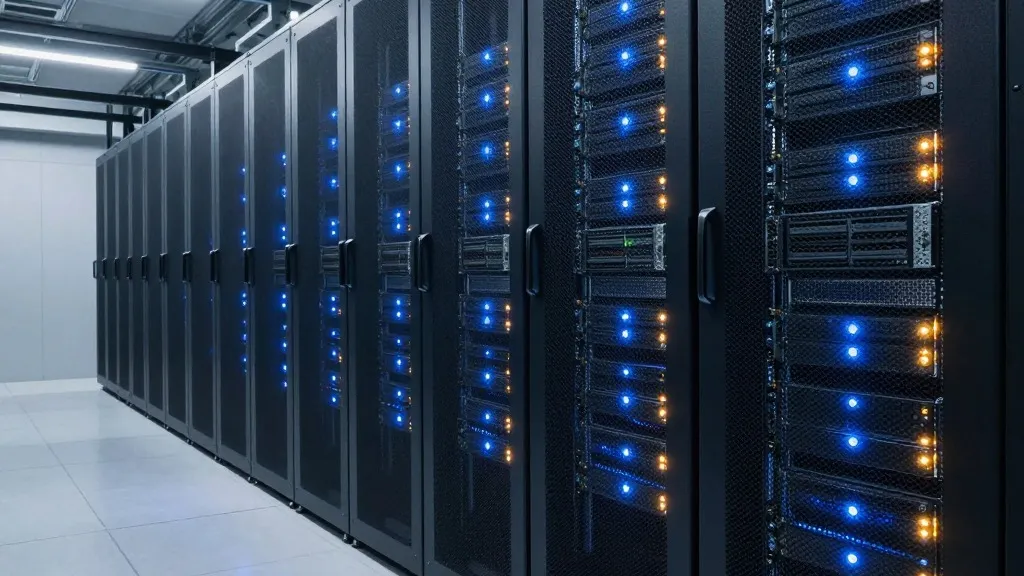
The dominant position of Nvidia in the artificial intelligence hardware market faces a tangible challenge as Meta now runs Google’s custom chips in live production environments. This development signals a decisive move away from a single-vendor dependency, allowing the social media giant to execute critical AI workloads on infrastructure previously reserved for internal Google use. By integrating these units into its operational stack, Meta effectively validates an alternative pathway for large-scale model serving.
The technical enabler for this shift is a new, PyTorch-native version of the SGLang inference engine, announced on Google’s developer blog. Previously, running these chips required the use of Google’s proprietary JAX framework, a hurdle that often discouraged external adoption. The new software stack allows the hardware to function natively within the PyTorch ecosystem, eliminating the need for extensive code rewrites. A corresponding open-source version of vLLM, another major inference engine, was also released to broaden compatibility.
Zongwei Zhou, Meta’s lead for PyTorch-TPU integration, confirmed that the system is active in production today. He described the achievement as the result of a close collaboration between Meta, Google, and the SGLang team. Zhou emphasized that the setup provides a remarkably mature serving stack, a capability developed through the efforts of RadixArk, the startup founded by the creators of the engine. Jana van Greunen, director of PyTorch engineering at Meta, added that the company cannot be constrained by a single hardware architecture, noting that this new tool enables the deployment of PyTorch workloads directly onto Google’s hardware.
This is not the first time Meta has interacted with Google’s silicon. An older bridge known as PyTorch/XLA was used by Meta research teams between 2020 and 2023 before those contracts were canceled. The current push appears specifically designed to address Meta’s reluctance to migrate to JAX. While the exact location of these production chips remains unspecified, reports indicate that Meta signed a multi-year rental agreement, with initial rentals in 2026 and potential purchases slated for 2027.
The announcement coincided with Amazon’s decision to open-source TorchNeuron, a native backend for its own Trainium chips, at the same industry conference. These parallel moves suggest a broader industry effort to loosen the software lock-in that has favored Nvidia. Performance data indicates that a tuned setup using Google’s seventh-generation Ironwood chips can exceed 700 tokens per second for single-user requests, significantly outperforming comparable Nvidia configurations in specific benchmarks.
Looking ahead, the SGLang-TorchTPU project plans to support additional models, starting with DeepSeek V4.1 Flash and Reflection Beam. The teams aim to achieve day-zero support for new open models by the first quarter of 2027. Google, Meta, and RadixArk will share further details at the SGLang Summit in San Francisco in November, underscoring the growing momentum behind this multi-vendor approach to AI infrastructure.
Source: Tom's Hardware · original report published