FCC Chairman Carr Finalizes Plan to Let Prisons Jam Inmate Cellphones
Chairman Brendan Carr set the final rules for a November 19 vote, giving state and local correctional facilities new tools to block contraband devices.
By Jisoo Serrano ·
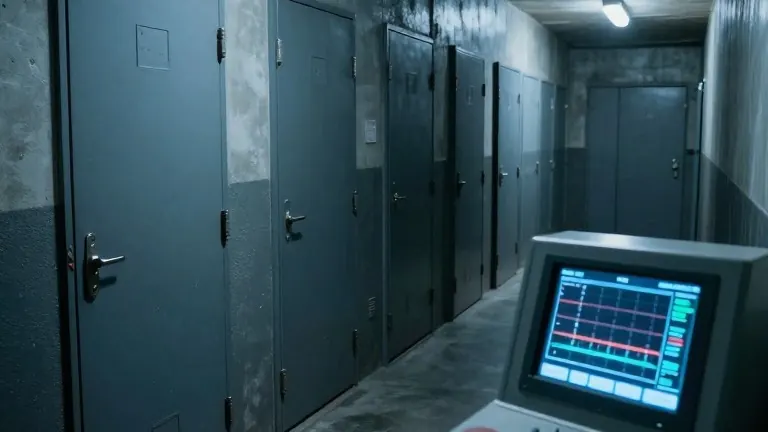
Federal Communications Commission Chairman Brendan Carr announced the agency will vote on final rules to allow prison cellphone jamming on November 19.
The order grants state and local correctional facilities the authority to use targeted jamming technology for the first time. This vote follows a push by Rep. Kat Cammack (FL-03) to combat the use of contraband phones in U.S. prisons. Cammack serves on the House Energy and Commerce Subcommittee on Communications and Technology, which oversees the FCC. She met with Carr and leaders from the Florida Department of Corrections to address the issue.
Cammack stated that inmates use these devices to order hits and run criminal enterprises from behind bars. She noted her district contains roughly 15 state prisons and correctional institutions, more than any other congressional district in America. Florida Department of Corrections Secretary Richard Comerford described the criminal use of contraband phones as a growing crisis. He thanked Carr, Cammack, Governor Ron DeSantis, and Florida Attorney General James Uthmeier for recognizing the security threat.
A 2024 study found prison authorities recovered more than 25,000 cellphones in a single year. Two participating facilities each recovered more than 6,000 devices. The FCC has previously authorized other technologies to fight contraband phones but had not allowed jamming. Under the proposed order, jamming is optional for facilities. Sites must meet technical standards and pass testing to ensure no harmful interference occurs outside designated areas.
The FCC will limit jamming to Commission-authorized containment areas where wireless device use is already prohibited. Wireless carriers, FirstNet, public safety coordinators, and 911 authorities must receive advance notice of on-site testing. Nearby communities will also be notified before deployment. The agency will seek public comment on additional measures to close frequency loopholes and explore quiet zones around facilities.
Congressional efforts to address the issue include the Cellphone Jamming Reform Act. Senator Tom Cotton (R-AR) and Congressman David Kustoff (R-TN) introduced the bill to establish permanent statutory authority for correctional facilities to deploy the technology.
Source: Alachua Chronicle