Alaska Senate Race Centers on Salmon Decline and Trawling Industry
A dispute over bycatch and indigenous fishing rights is driving campaign ads in a close race that could decide the Senate majority.
By Rafael Esposito ·
The U.S. Senate race in Alaska has turned into a direct contest over the state's fishing economy and the declining salmon runs that sustain rural communities.
Republican incumbent Dan Sullivan and Democratic challenger Mary Peltola are trading accusations in television ads about how to manage the pollock fishery. Sullivan, who has long supported the industry, is promoting a new bill aimed at reducing accidental salmon deaths. Peltola, an indigenous woman from the Kuskokwim region, is calling for a ban on factory trawlers.
The core of the dispute is bycatch. Industrial trawlers use nets that are a quarter mile long and as wide as a football field to catch pollock. These nets also catch king salmon and other fish. The industry discards these unintended catches. Traders say this waste is a small fraction of their total pollock harvest. Fishers in western Alaska say the loss is devastating because they rely on salmon for subsistence.
Sullivan stated his bill is the most comprehensive bycatch legislation ever proposed to protect seafloor habitat. Peltola criticized the timing of the measure. She said Sullivan reeled in over $300,000 from trawlers and waited until the 11th hour for a half-hearted solution. Her campaign claims Sullivan is taking big money from out-of-state corporate trawlers.
Heather Mann, who leads a trawlers association, argued that targeting the pollock fishery is a misdiagnosis. She said science shows that eliminating pollock would have a minimal impact on restoring salmon runs. She called the political focus on trawlers a scapegoat for the problems in western Alaska.
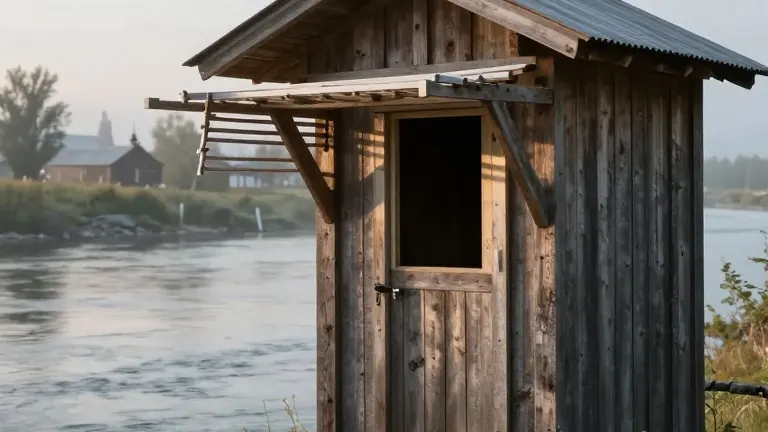
In the village of Kwethluk on the Kuskokwim River, the decline is visible. Subsistence fishing is the primary occupation and the backbone of local culture. Evon Waska, a resident, said his drying racks are empty because too few salmon return from the Bering Sea. He noted that government agencies close the river to local fishing to conserve fish but leave industrial trawlers operating miles offshore. He said they close him and his people first.
Tribal president Mary Nikolai described the impact on the community. She visited a neighbor's cold smokehouse that went unused all summer. She said most smokehouses in the village are now empty. She described the situation as a slow trend of closing the local workforce out. She hopes the close race will draw national attention to the threat facing these villages.
Pollock trawlers reported catching 40,000 Alaska salmon so far this year. The race is expected to determine the balance of power in the U.S. Senate. Both candidates are using the fishing issue to connect with voters who feel the economic and cultural strain of the declining runs.
Source: WUFT