Election Eve Protests: Families of Hostages Demand Independent Inquiry in Israel
Thousands gathered in Tel Aviv on Saturday to press for accountability regarding the October 7 attacks, just days before a tightly contested general election.
By Alina Ndlovu ·
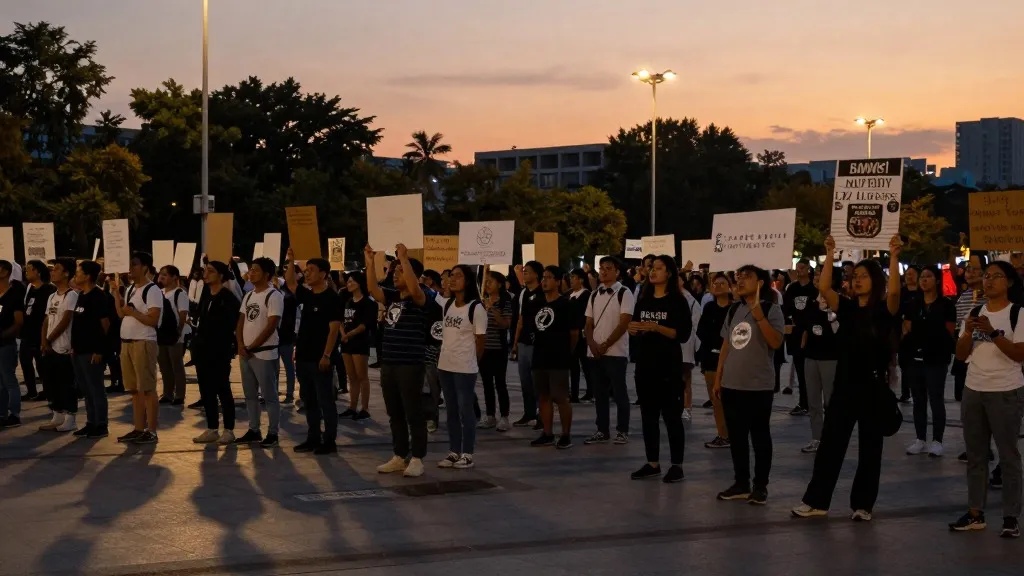
Families of captives taken to Gaza three years ago organized a large-scale rally in Tel Aviv on Saturday to demand an independent investigation into the security failures of the previous government. The demonstration took place in Hostages Square, a public plaza that has become a focal point for advocacy regarding the hostages and their families. This action occurred just three days before the country holds its first general election since the war in Gaza began, highlighting the continued political salience of the October 7, 2023 attacks.
The primary goal of the gathering, coordinated by the October Council, is to establish a state commission of inquiry. The group was founded by the families of those held captive and seeks to hold the government accountable for its inability to prevent the Hamas attack. In a statement posted on X prior to the event, the council described the rally as the culminating event of three years of struggle aimed at uncovering the truth and demanding justice for the affected families.
Leading opposition figures joined the crowd in Tel Aviv, signaling a unified front ahead of the vote. Gadi Eisenkot, the leader of the Yashar party and the main centre-right rival to Prime Minister Benjamin Netanyahu, was present at the rally. He was greeted by supporters chanting for him to be the next prime minister. Yair Golan, the head of the Democrats party, also attended the event. The energy of the crowd was noted by Dan Adin, an Israeli citizen and lawyer, who described seeing massive numbers of people marching from Rabin Square to Hostages Square.
According to reports from the Haaretz newspaper, similar antigovernment demonstrations were occurring in other parts of the country. These parallel events suggest a broad base of support for the opposition’s message in the final stretch of the campaign. The presence of major political leaders at the Tel Aviv rally underscores the strategic importance of the protest in the context of the upcoming Tuesday election.
Context surrounding the election indicates a highly competitive race. Current polling data suggests that Netanyahu’s right-wing bloc, which has been in power since late 2022, is running neck and neck with Eisenkot’s coalition. Neither side is currently projected to secure a majority of seats in the parliament, which could lead to a hung parliament or necessitate coalition negotiations. This tight margin increases the political stakes of the recent protests and the broader discourse on accountability.
The outcome of the election may also influence Israel’s future foreign policy, particularly regarding military actions against Iran. Eisenkot is widely believed to be less inclined to resume strikes on Tehran if he assumes the role of prime minister. However, on most other international issues, the leading parties remain aligned. This includes a shared opposition to the creation of an independent Palestinian state, which remains a consistent position across the political spectrum in Israel.
Ahead of the Saturday rally, the October Council issued a warning to law enforcement regarding potential disruptions. The group stated that it had sent an urgent letter to the Police Commissioner after receiving alerts about attempts by entities linked to the ruling coalition to provoke the demonstrators. This pre-emptive communication highlights the anticipation of a charged atmosphere and the desire to keep the focus on the families’ demands for an independent inquiry rather than on potential unrest.
The dispute over the type of commission to be established remains a central point of contention. The October Council insists on an independent body to ensure impartiality. In contrast, Netanyahu’s coalition government has refused this demand, proposing instead a political commission. Under this alternative plan, half of the members would be appointed by the government and the remainder by opposition legislators. Opposition leaders have indicated they would boycott such a politically appointed commission, maintaining their stance that only an independent body can deliver the justice sought by the families.
Source: Al Jazeera