
CBP Shifts Agents to Florida Waters Following Southwest Border Decline
Border Patrol leadership claims increased maritime patrols in Miami have led to a 67% rise in drug seizures since fiscal year 2024.
By Rafael Esposito ·
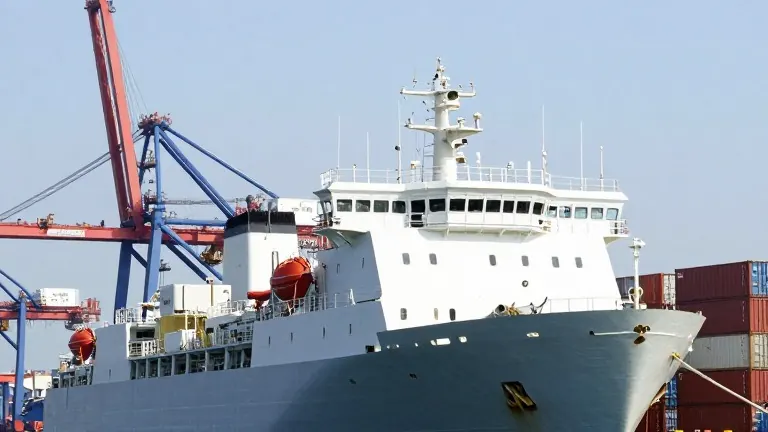
U.S. Customs and Border Protection officials gathered at Port Miami on Thursday to review recent shifts in federal enforcement resources.
Border Czar Tom Homan and CBP Commissioner Rodney Scott attended the morning demonstration to assess the agency’s performance over the last fiscal year. The group outlined a strategic move to redirect personnel from the southwest land border to Florida’s maritime zones. Scott stated that a decrease in land crossings in the southwest allowed the agency to reallocate staff to coastal areas. He described Florida as a border state that now receives a larger share of federal manpower.
During the presentation, Scott cited a pilot program in San Diego that freed up 150 agents every 24 hours. He noted that the agency now operates more aircraft, boats, and border patrol agents in the region. The demonstration illustrated the risks involved in maritime interdiction, including encounters with cartels and instances of gunfire.
CBP reported that federal law enforcement agencies seized approximately one million pounds of narcotics early in the current year. Scott attributed this increase to higher interdiction rates rather than a rise in smuggling volume. He stated that CBP seized 67% more drugs in fiscal year 2026 compared to fiscal year 2024.
Specific data for the Miami sector showed that agents seized more than 17,000 pounds of narcotics during fiscal year 2026. That figure exceeds the 7,000 pounds seized in the prior period. Scott connected these numbers to increased flight hours, boat hours, and coordination with local partners.
Officials noted that cartels have adopted new technology, including drones, to transport goods. Homan said he has visited Miami multiple times in recent months to identify resource needs. He asked local leadership what additional support would help maintain the current level of maritime interdictions.
The agency plans to continue expanding its efforts in South Florida. The demonstration concluded with a focus on maintaining the current pace of seizures and protecting local communities from smuggled goods.
Source: WSVN