
Trump Era Sanctions Tighten as UN Vote Shows Diplomatic Shift
Twenty-five nations abstained from the annual Cuba resolution, a move US officials credit to new tariff and visa threats.
By Alina Ndlovu ·
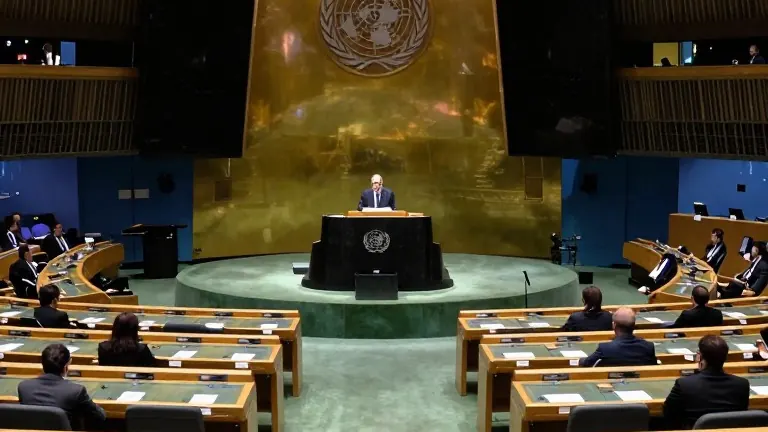
The economic pressure on Cuba intensified this week after the United Nations General Assembly reaffirmed its stance on the US embargo. While the vote itself did not change the legal status of the blockade, the composition of the support base shifted markedly. Twenty-five countries, including major economies Germany and Italy, abstained from the vote. These nations had previously voted in favor of condemning the measures, signaling a retreat from the traditional consensus against Washington.
The resolution passed on Wednesday with 130 countries in favor. Seventeen nations opposed the measure, a group that included the United States and Israel. The abstention count of 25 represented a notable departure from historical voting patterns. US officials pointed to this increase in abstentions as evidence that their diplomatic campaign to isolate Havana is gaining traction.
US Ambassador to the UN Mike Waltz told reporters that the shift in positions validates the administration's strategy. He noted that major economies like South Korea and Germany changed their votes. Waltz stated, "I’m satisfied that so many countries now, including major economies like Korea, like Germany and others have shifted their position." He added that the tripling of countries shifting their stance suggests a trend that will continue to grow.
Cuban Foreign Minister Bruno Rodriguez reacted to the result on social media. He described the United States as isolated in its attempt to continue strangling the Cuban people. Rodriguez argued that neither the US pretexts nor its media campaigns would prevail over the force of facts and truth.
The diplomatic friction preceded the vote. Tensions exploded on Tuesday during a General Assembly debate. US and Cuban officials were seen yelling at one another and engaging in an apparent physical confrontation. On Wednesday, Waltz announced that Richard Tur de la Concepcion, a first secretary at Cuba’s UN mission, would be expelled from the country. The reason cited was the assault of an American diplomat.
The US administration has implemented additional economic restrictions beyond the original embargo. These new measures include an energy blockade designed to further tighten the grip on the Cuban economy. Cuban officials accused US counterparts of threatening countries with tariffs, visa restrictions, and other penalties if they voted to condemn the embargo.
The United Nations has voted to condemn the embargo annually for more than three decades. The embargo itself has been in place for more than six decades. Al Jazeera reached out to both the US and Cuban missions for comment regarding the expulsion and the vote but did not receive a response before publication.
Source: Al Jazeera