Sudan: Transit Costs Drain Commuter Wages as Fuel Lines Hit Five Hours
Transport unions raised bus and minibus costs by up to 40 percent as fuel queues stretched to five hours in Port Sudan.
By Rafael Esposito ·
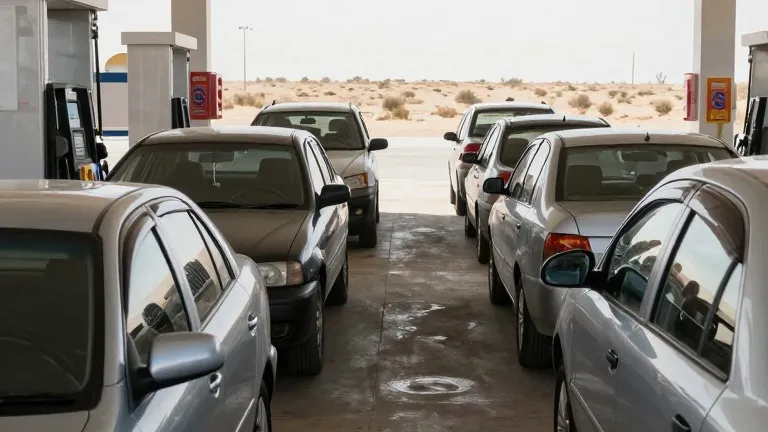
Sudan’s Transport Chambers Union increased intercity bus fares by 40 percent and minibus fares by 30 percent this month. The adjustment responds to severe fuel shortages that have idled drivers and inflated operating costs across the country.
Three key points emerge from the current crisis. First, fuel scarcity has forced drivers to wait in lines that can exceed five hours, reducing workdays and cutting income. Second, the fare hikes have pushed transport costs to nearly half of some workers' monthly salaries, forcing them to borrow money to commute. Third, import regulations requiring gold deposits have shrunk the pool of fuel suppliers, compounding the domestic production shortfall.
Azhari Mohamed, a 60-year-old minibus driver in Port Sudan, illustrates the strain on workers. He operates between the Shagar neighborhood and the city center, making seven round trips a day. His vehicle consumes 11 liters of petrol daily, costing approximately 105,000 Sudanese pounds. Due to scarcity, he now works two days and spends a third day waiting for fuel. After paying operating costs, he earns about 50,000 pounds a day to support his family. “We just need fuel to be available so we can work,” he said.
The cost burden extends to passengers. Aziza Ibrahim, a 38-year-old cleaner in Port Sudan, has reduced her work schedule to three days a week. Her daily round-trip transport cost now reaches 11,000 pounds, consuming a large portion of her 400,000-pound monthly salary. She often borrows funds to reach her workplace and repays them upon receiving her paycheck. The war between the Sudanese Armed Forces and the Rapid Support Forces, which began in April 2023, has pushed average incomes back to 1990s levels, according to the United Nations Development Programme.
Supply chains are tightening due to both local conflicts and global market pressures. Attacks on the Balila oil field disrupted supplies to the Khartoum refinery, which previously met about 60 percent of national demand for petrol and liquefied petroleum gas. The Ministry of Energy and Petroleum estimated war-related losses at $20 billion last year. With domestic output down, Sudan relies on imports, but economic analyst Sidi Ohaj notes that strict import rules, including 200kg gold deposits, have driven some importers out of the market. He urged the government to ease these procedures to restore supply.
The shortage also affects commerce. Ahmed al-Haj, a trader in Omdurman, reported that the cost of moving a tonne of goods has risen by 30 to 50 percent. Local delivery fees in Omdurman have doubled, reaching between 10,000 and 12,000 pounds, while intercity distribution has become difficult. Power cuts force businesses to use fuel-powered generators, further increasing daily expenses. Goods are now piling up at trading premises as transport workers make fewer trips.
Source: Al Jazeera