iPhone Duo: Fixed sidebar blocks 15 percent of 5.4-inch cover display
Apple's mandatory dock on the small outer screen leaves a large area unused, a design choice that differs from the flexible layout on Samsung's competing foldable.
By Rafael Esposito ·
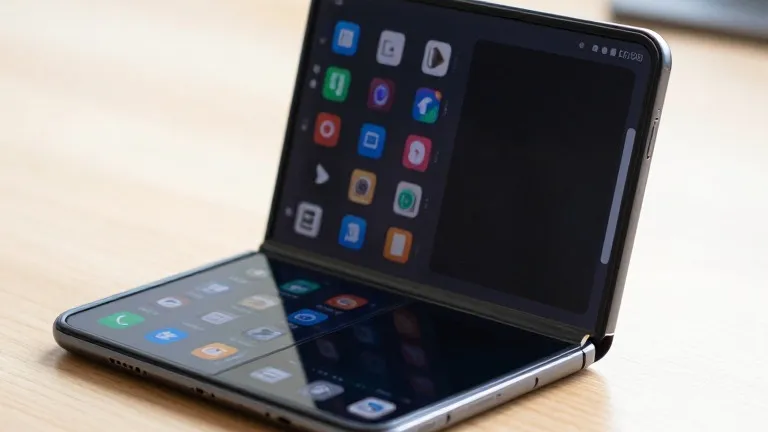
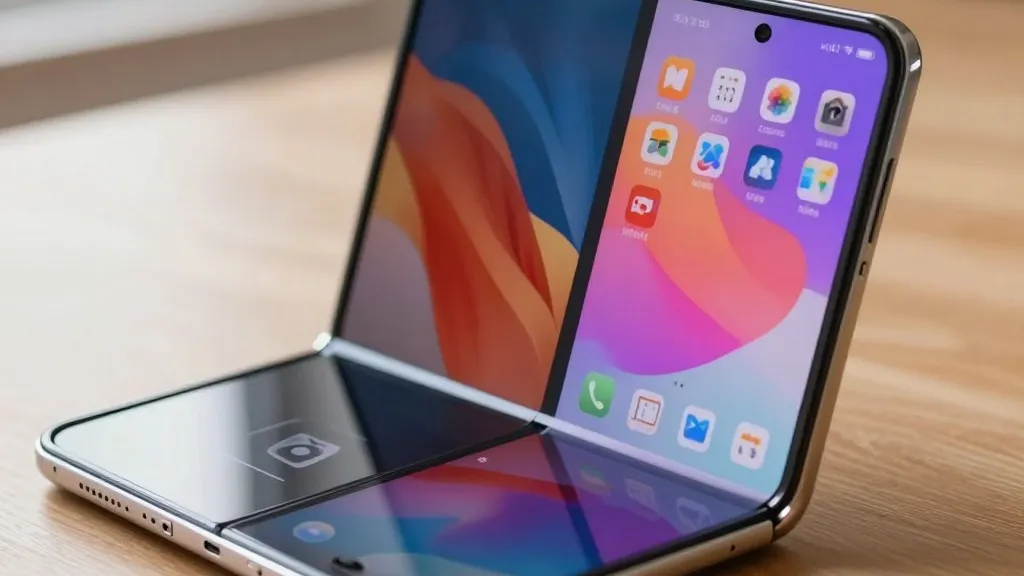
Apple’s new iPhone Duo includes a permanent sidebar on its 5.4-inch cover display that occupies roughly 15 percent of the available screen space. This fixed dock sits on the right side of the device, creating a large vertical strip that remains empty on the small outer screen. The design choice aims to simplify navigation, but early user feedback suggests it reduces the usable area for content.
Allison Johnson of The Verge reviewed the device and noted that the iPhone Duo feels harder to use with one hand compared to the Samsung Galaxy Z Fold 8. The Fold 8 has a taller, narrower physical profile that makes its cover screen easier to navigate. For users who prioritize the utility of the outer display, the difference in ergonomics is a major factor in their device choice.
The visual impact of the sidebar is stark when compared to the Galaxy Z Fold 8. On the Samsung device, which runs a modified Android operating system, the outer screen can display full-width content. Users of the Galaxy Z Fold 8 often utilize gesture controls, which leave almost no wasted screen space. Even when a navigation bar is enabled on the Fold 8, the loss of display area is minimal compared to the iPhone Duo's fixed dock.
Apple’s strategy for the iPhone Duo involves shrinking the available space to stretch media vertically. This approach mimics the aspect ratio of standard slab devices, allowing apps to render as they would on a traditional smartphone. However, the Galaxy Z Fold 8 demonstrates that leaving the full width of the small screen open for main content is a viable alternative that maximizes real estate.
The iPhone Duo is currently available to consumers, though its availability is limited at launch. Samsung’s Galaxy Z Fold 8 continues to serve as the benchmark for wide foldable devices, with Android’s interface adapting over time to support larger screens. The comparison highlights how the operating system implementation affects the practical utility of the hardware.
The debate centers on whether a space-saving navigation tool justifies the loss of display area on a small screen. Apple’s first attempt at this form factor faces scrutiny for its interface choices, while Samsung benefits from years of refining its software for foldable devices.
Source: 9to5Google