FCC Bans Two Gadgets Over Huawei Chips
The commission blocked a dashcam and video transmitter under a new rule targeting internal silicon rather than brand names.
By Jisoo Serrano ·
Washington regulators have moved from banning brands to banning the silicon inside products, marking the first time the Federal Communications Commission has halted consumer sales based on internal components rather than model names. The action targets a single chip design found in two distinct consumer electronics.
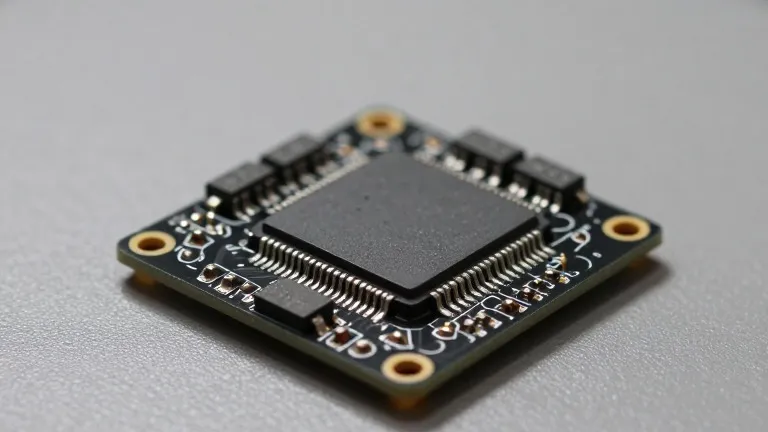
The agency identified a dashboard camera and a wireless video transmitter for the ban. Both devices utilize the Hi3516CV610 UHD Smart Vision system on a chip, manufactured by HiSilicon. HiSilicon operates as a subsidiary of Huawei, which sits on the FCC's Covered List of entities posing national security risks. The new rule closes a previous gap where rebranded products containing restricted Chinese parts could still reach US shelves.
The chip in question includes a neural processing unit, or NPU, designed for AI functions. According to the technical data sheet, this unit runs an Intelligent Video Engine that uses a built-in multimodal large model. The hardware tracks objects across video frames, maintaining focus on specific subjects like pets, human faces, and parcels. This allows the device to distinguish between a pet moving and a person interacting with a package.
The FCC cited the NPU as the primary concern, classifying it as a logic-bearing smart component made by a Covered List entity. Regulators argue that this AI capability could be used to survey US citizens and log facial data for foreign surveillance purposes. The agency pointed to a prior incident where Huawei used shell companies to secure AI chip manufacturing from TSMC despite US export restrictions.
The commission’s authority extends beyond wireless devices, with one industry observer noting that the Communications Act of 1934 directs the FCC to protect both wired and interstate communications. The ban reflects a shift toward targeting specific hardware revisions rather than relying on product labels, which can vary significantly across regional variants.
The two banned products are now blocked from sale and marketing in the United States. The decision stands as the initial enforcement under the chip-level rule, establishing a precedent for how the agency will handle future imports containing Huawei-linked silicon.
Source: Tom's Hardware